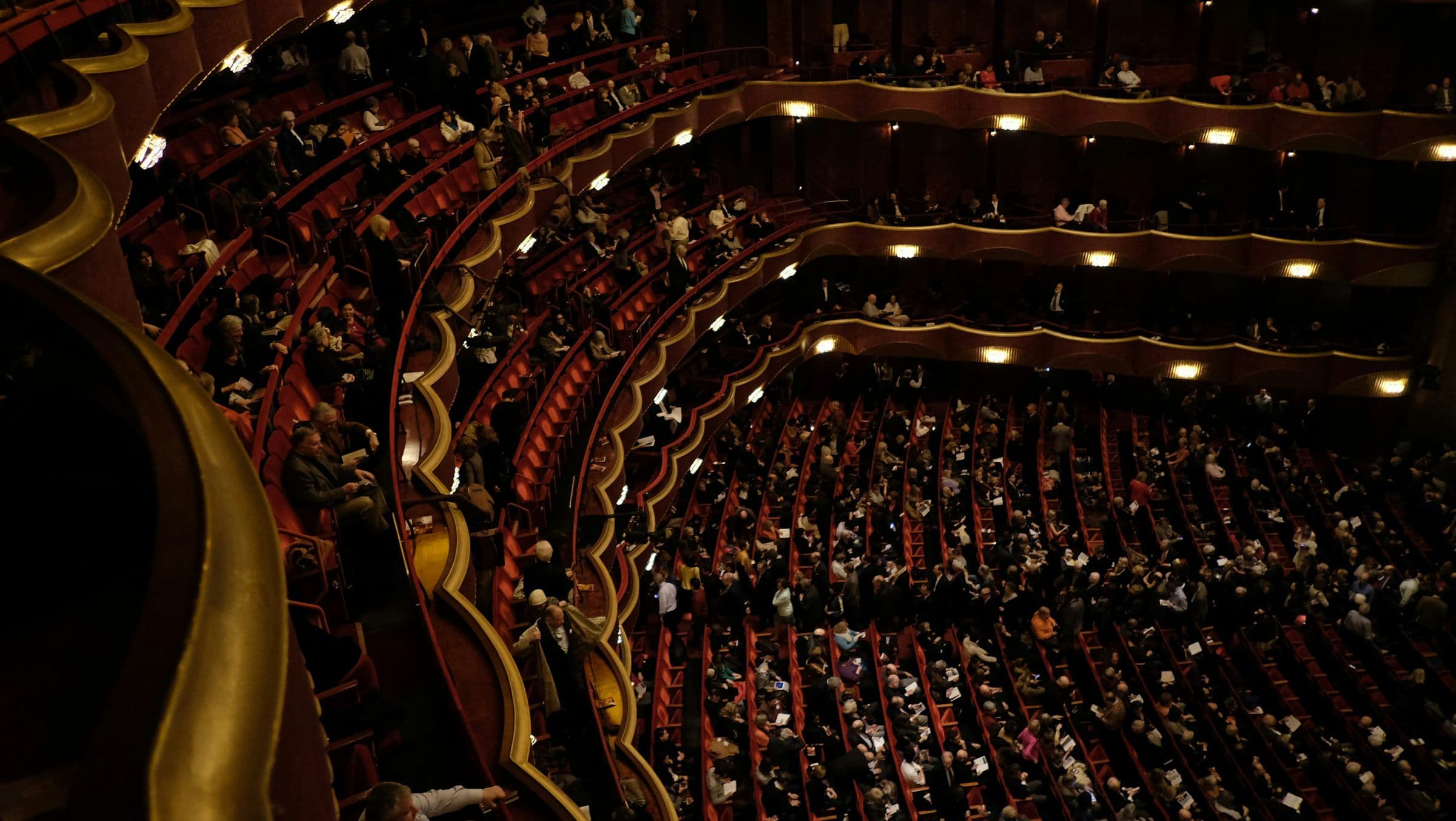
Saint-Bon and the Baroque
The church of Saint-Bon, made Baroque in the 17th century, its altarpieces and the hamlet chapels: the Tarentaise before skiing.
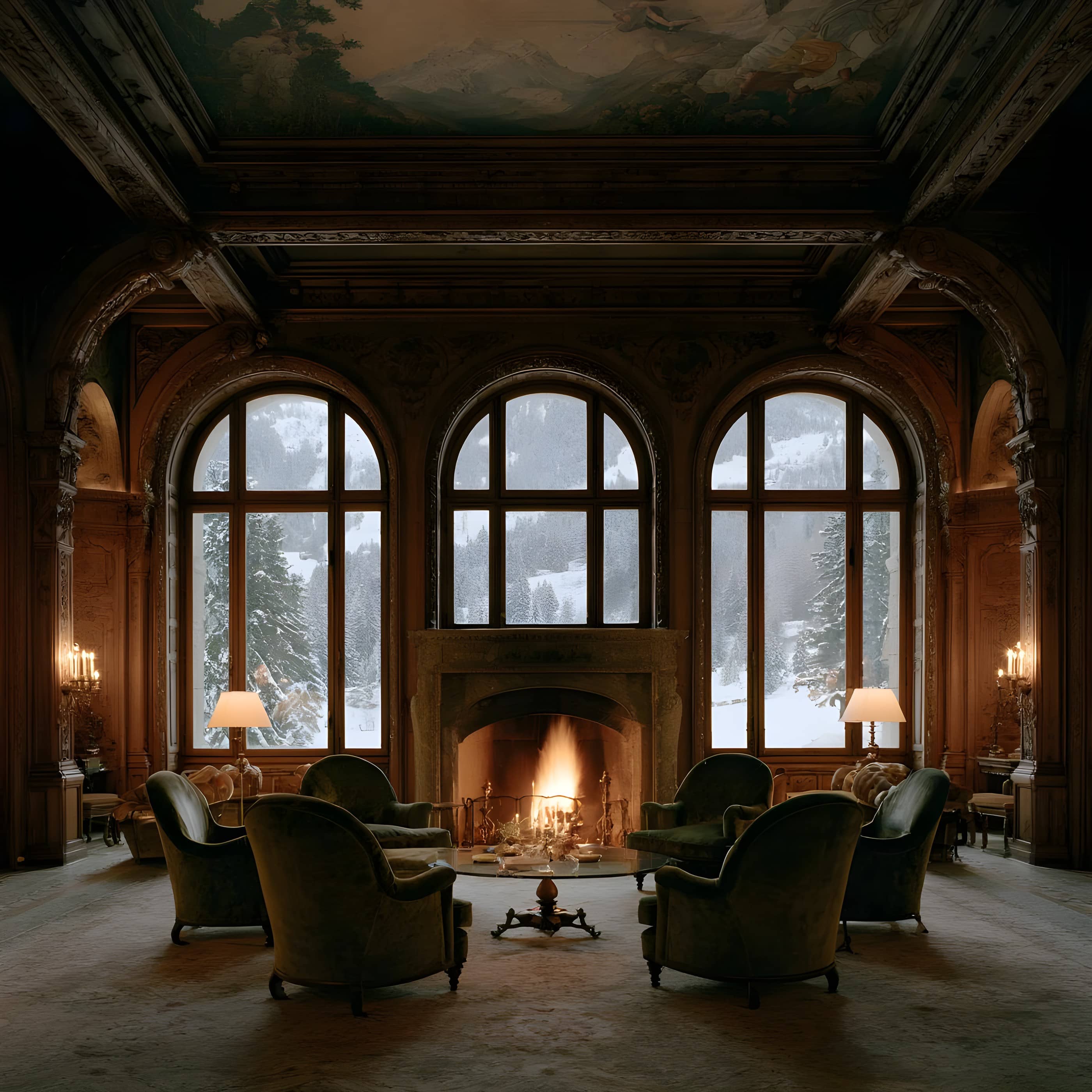
A Baroque village, a designed resort, an inhabited mountain.
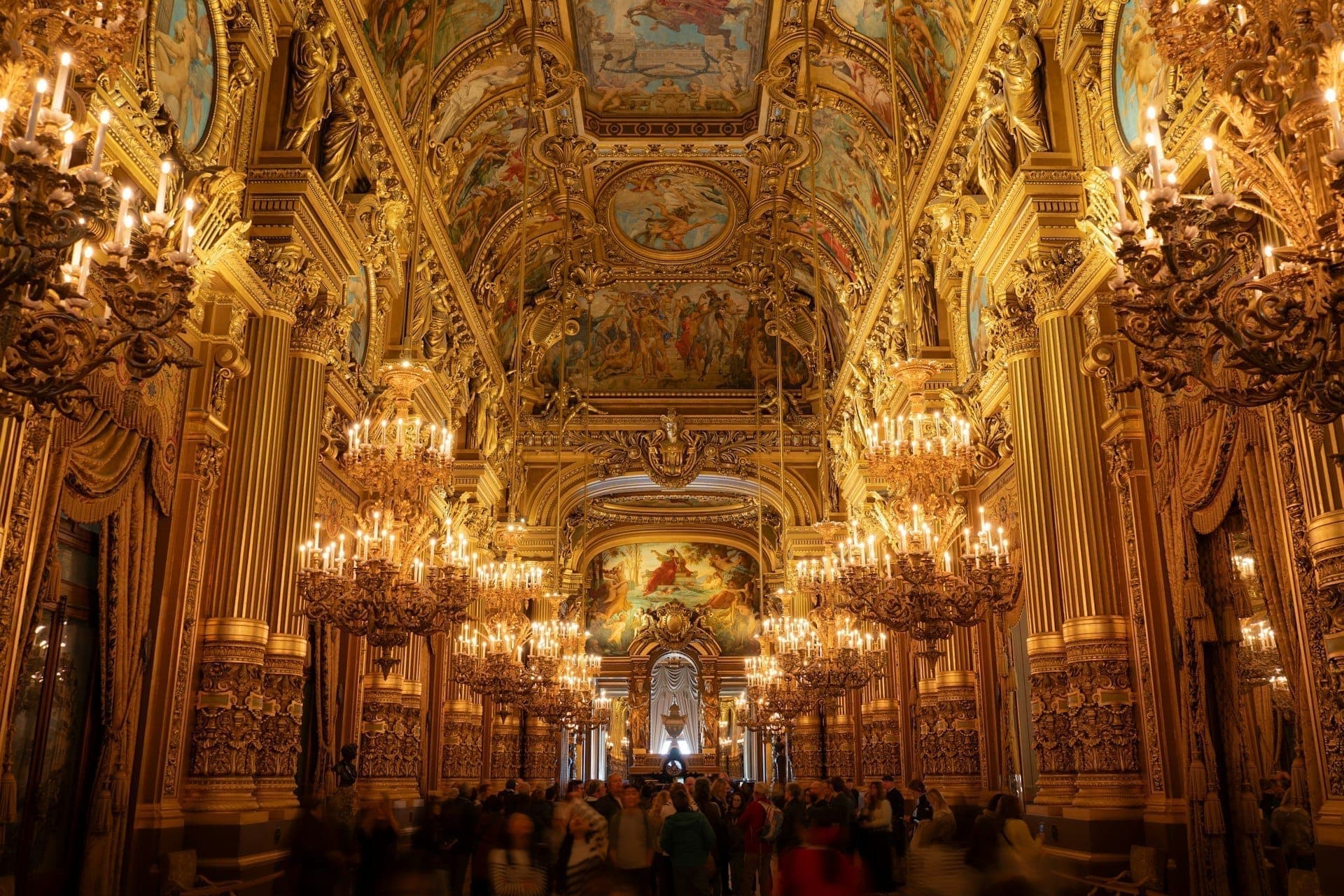
The church of Saint-Bon, made Baroque in the 17th century, its altarpieces and the hamlet chapels: the Tarentaise before skiing.
Courchevel 1850, laid out from 1946 by the planner Laurent Chappis and the architect Denys Pradelle, read with a guide who knows its story.
Sculptures shown in the open air on the slopes each winter, the galleries of 1850, the Vanoise National Park: culture carries on outdoors.
Heritage & Culture
Courchevel was born in the commune of Saint-Bon, whose village keeps its stone houses, its bread oven and its old still. Its church, Romanesque in origin, was transformed and enlarged between 1650 and 1673: it became Baroque, and its altarpieces — among them the altarpiece of the Souls in Purgatory — are among the most singular in the valley. The hamlet chapels, such as La Nouvaz, carry this mountain Baroque further.
After the war, the Savoie departmental council launched a tourism programme; the planner Laurent Chappis, joined in 1946 by the architect Denys Pradelle, drew on an untouched slope a resort conceived for skiing, which the department named Courchevel 1850 on 30 November 1946. Few French resorts were born this way, on paper, before the first chalet.
At Le Praz, one of Courchevel's historic villages, a first ski jump was built as early as 1944; today's large hills hosted the ski jumping events of the 1992 Albertville Games, and are due to return to service for the 2030 Winter Games.
Each winter for more than fifteen years, Courchevel has shown monumental sculptures in the open air, from the centre of 1850 up to the summits of the ski area, with the Bartoux gallery. The resort's galleries complete the route, and we request a private viewing when an exhibition lends itself to one.
A chauffeured car, a morning in Saint-Bon, lunch at Le Praz, the chapel and the architecture of 1850 in the afternoon, then dinner: we coordinate the whole day, to reveal the resort that skiing makes one forget.
A few of the names we open — the book itself never closes.
Romanesque in origin, made Baroque between 1650 and 1673; altarpiece of the Souls in Purgatory, open according to season.
Courchevel 1850, designed in 1953 by Denys Pradelle with Jean Prouvé, listed as a historic monument in 2005.
First jump in 1944, ski jumping of the 1992 Albertville Games, at the edge of the Le Praz forest.
A Baroque hamlet chapel, witness to the pastoral life that preceded the resort.
Created in 1963, France's first national park: glacial valleys, high-altitude wildlife and refuges.
And every other: from the confidential neighbourhood table to the fully-booked three-star. Name yours — we know the house.
The village of Saint-Bon and its Baroque church, the Notre-Dame-de-l'Assomption chapel by Denys Pradelle and Jean Prouvé, the Olympic ski jumps of Le Praz, the winter's open-air sculptures and the Vanoise National Park. We compose the route with a guide.
Yes, during its opening periods, mainly in summer; we add a guide specialised in the Savoie Baroque and request a private slot under the rules of the parish and the commune.
The resort was laid out from 1946 by the planner Laurent Chappis and the architect Denys Pradelle, at the initiative of the Savoie department, and named Courchevel 1850 on 30 November 1946. The 2026–2027 season marks its 80th anniversary.
Yes: with a qualified mountain leader, on snowshoes in winter or on foot in summer, for a day or over two days with a night in a refuge, depending on the weather and your pace.
In summer, when the church of Saint-Bon and the chapels open their doors; in winter, for the open-air sculptures and the architecture of 1850 under snow. We adapt the route to the season of your stay.
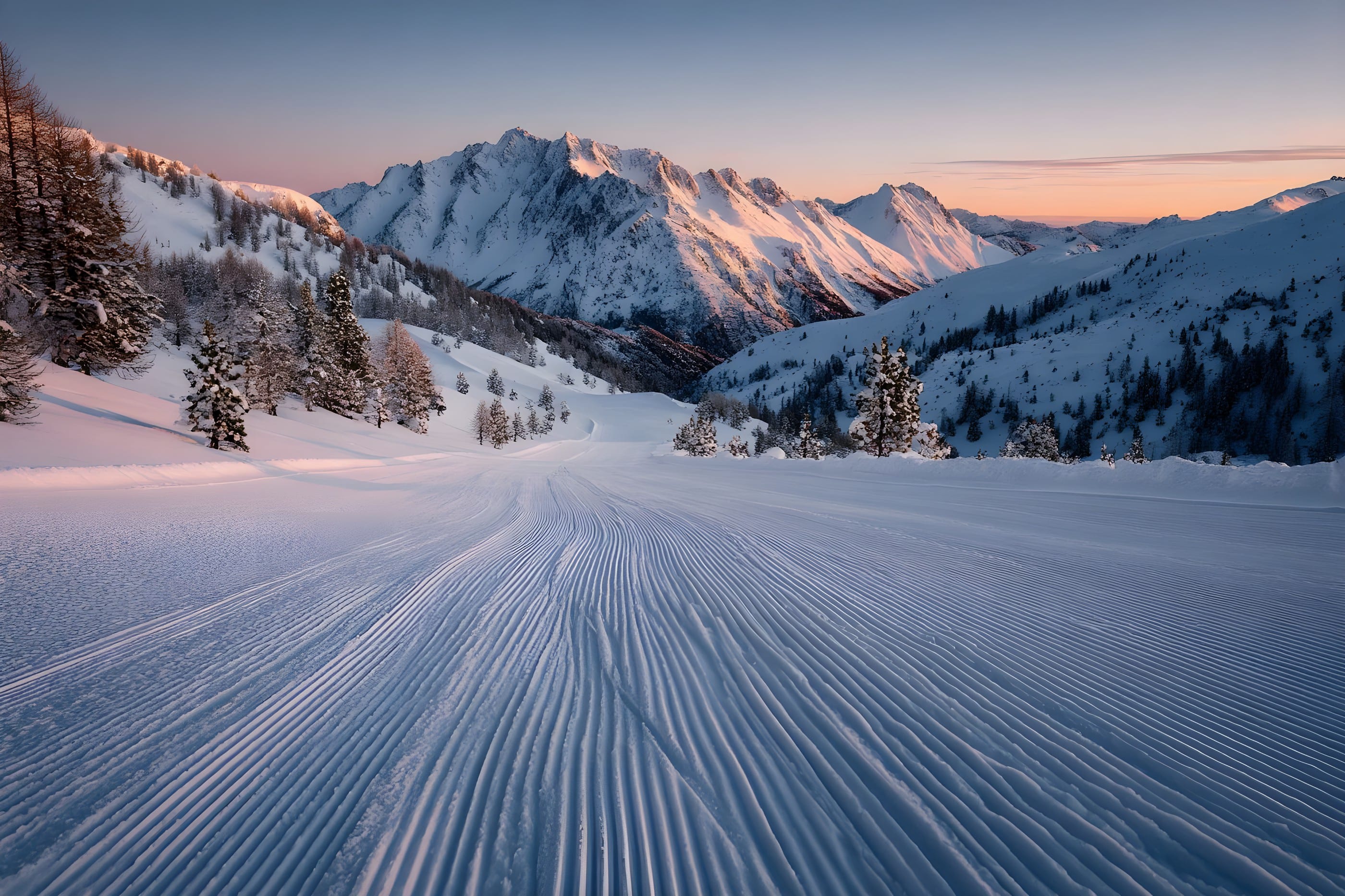
Before the slopes, there was a village. It is still there.