
How do you get around London during Fashion Week?
Shows spread across the city, dense traffic, minutes that count: the logistics of a week in which you would rather not be late.
Last updated 5 October 2026 · 7 min read
During London Fashion Week, the shows are spread across the city — 180 Strand, Soho, Mayfair, East London — and central traffic is dense, with the Congestion Charge in the centre. The arrangement rests on three tiers: a dedicated chauffeur, on quotation, who sets the day against the schedule and handles the Congestion Charge; short walks between nearby addresses in Soho and Mayfair when they are quicker than the car, with a fallback route or a second vehicle when needed; and arrival by Eurostar from Paris in a little over two hours, or by private aviation via Farnborough, London City or Heathrow. Every journey is anticipated, every drop-off point checked: it is a matter of method rather than of vehicle.
The short answer: a week won minute by minute
London Fashion Week has a logistical particularity few major events share: it has no site. The shows and presentations are spread across the city — 180 Strand, Soho, Mayfair, Shoreditch and Hackney in East London — and the map changes from season to season, with some addresses confirmed only with the invitation. A single day can chain a fitting on Savile Row, lunch in Marylebone and a presentation in Shoreditch.
And central London is dense even on an ordinary day: narrow streets, roadworks, deliveries, a Congestion Charge zone in the centre, and the same cars converging on the same addresses at show times. A short journey can take far longer than expected. The answer is not a vehicle but a system: a dedicated chauffeur, walking when it is quicker, checked drop-off points and systematic margins. Our guide How does London Fashion Week work? The complete guide places this mechanism within the architecture of the stay.
The dedicated chauffeur: the backbone of the week
The dedicated chauffeur — on quotation according to the number of days and hours covered — is the first condition of a fluid week. Dedicated meaning in residence: the same driver all week, who learns your habits, knows your schedule and waits at the agreed point rather than being summoned ride by ride. During the week, the difference between a car "on demand" and a car in residence is measured in time lost.
The craft is not confined to driving: it consists of timing. The day is set the evening before against the next day's schedule — appointment times, confirmed addresses, fallback routes, drop-off points as close to the entrances as the streets allow. The chauffeur also handles the Congestion Charge and the practicalities of central London parking, so that none of it reaches you.
For groups, the fleet is scaled: a principal car, a second vehicle for guests or errands, a single point of coordination. It is this overall arrangement — not the car — that makes the difference, and it is this we compose, on quotation, with drivers accustomed to the demands of the week.
Walking, fallback routes and a second vehicle
London has a practical advantage: many of the week's addresses are close together. Between Mayfair and Soho, between Dover Street and Savile Row, between Covent Garden and the Strand, a few minutes' walk is often quicker than the car when traffic is heavy. The chauffeur drops you, goes ahead to the next address and waits there; you walk the short distance — in comfortable shoes if the evening allows, the car following with your effects.
When two appointments are too close in time and too far apart to walk, the answer is a fallback route prepared the evening before or a second vehicle positioned in advance — never improvisation. For a dense day with East London on the programme, this is often what holds the schedule. The second vehicle is quoted by the day or by the evening, and booked like everything else — in advance.
Arriving and departing: Eurostar, Farnborough, London City, Heathrow
From Paris, the most natural route is the Eurostar: Paris-Gare du Nord to London St Pancras International in a little over two hours, from city centre to city centre, with a chauffeur waiting on arrival. For private aviation, Farnborough — an airport dedicated to business aviation, some sixty kilometres south-west of the centre — offers discreet formalities; London City, in the Docklands to the east, is the closest to the centre; Heathrow, to the west, receives commercial and private flights. Journey times into town depend on traffic.
Two reflexes for the week: schedule arrivals outside the busiest hours, and plan the logistics of a week's luggage, garment rails and covers included, in a dedicated vehicle where appropriate. Anchorage matters too: our guide Where should you stay during London Fashion Week? explains how the choice of neighbourhood removes many of the week's journeys.
Timing between addresses: anticipating the schedule's geography
The geography of the week traces recurring areas: the Strand and Covent Garden around 180 Strand, Soho and Mayfair a short walk apart, Marylebone a little further north, Shoreditch and Hackney in East London. Journeys within the West End are short; those between the West End and East London take noticeably longer, especially in the evening and at the end of the working day.
The method holds in three rules. A systematic margin: you leave to arrive early, never on the dot. A check of drop-off points: every venue has its busy approaches and its side entrances, and the right drop-off point is confirmed the evening before. A reading of the schedule: when two appointments follow each other at opposite ends of the city, you arbitrate — a second vehicle, a fallback route, or a deliberate choice between the two. A successful programme is one in which the geography was thought through before the invitations.
Security on the move — and what to remember
The journeys concentrate most of the week's security stakes: high-value pieces on board after a jeweller's appointment or a day of acquisitions, late departures from evenings into busy streets, public exposure around the show venues. A close-protection agent — on quotation according to the programme — coordinated with the chauffeur secures the sensitive journeys, watches the drop-off points and discreetly accompanies the evenings. For significant acquisitions, secure transport is arranged to the hotel or the vault.
What to remember: the shows are spread across London, the centre is dense, and the week is won minute by minute. The arrangement — a dedicated chauffeur who handles the Congestion Charge, short walks between nearby addresses, a second vehicle when needed, arrival by Eurostar or via Farnborough or London City, coordinated security — is composed in advance and adjusted each evening. TGZ Conciergerie, an independent house with no affiliation to the British Fashion Council (BFC), the designers or the organisers of London Fashion Week, and holding no official status, orchestrates the whole on quotation — our guide How much does a VIP London Fashion Week cost? explains what moves every line.
Frequently asked questions
Often, as soon as the programme counts more than two appointments a day. The shows are spread across London, central traffic is dense and a car ordered ride by ride offers neither the wait nor the drop-off points. A chauffeur in residence — on quotation — sets the day against your schedule, handles the Congestion Charge and makes the difference between a fluid week and a chain of delays.
Between nearby addresses, yes — and it is often quicker. Soho, Mayfair, St James's, Covent Garden and the Strand are close to one another: a few minutes on foot can beat the car when traffic is heavy. The chauffeur goes ahead to the next address with your effects. For East London or evenings in formal dress, the car remains the rule.
Within the West End, journeys are short; between the West End and East London, they take noticeably longer, especially in the evening. The rule: a systematic margin, drop-off points confirmed the evening before, and a second vehicle or a fallback route when two appointments follow each other at opposite ends of the city.
From Paris, the Eurostar reaches St Pancras International in a little over two hours, with a chauffeur waiting on arrival. By private aviation, Farnborough is dedicated to business aviation, some sixty kilometres south-west of the centre; London City is the closest to the centre; Heathrow lies to the west. We coordinate the journey, the meet-and-greet and the transfer, luggage and garment rails included, on quotation.
Through a coordinated arrangement: a close-protection agent who accompanies the sensitive journeys and the evenings, a chauffeur briefed on the drop-off points, and secure transport to the hotel or the vault after a jeweller's appointment or a day of acquisitions. The arrangement is scaled to the programme, on quotation.
For a visitor, often — London is well served. For a fashion week programme, rarely: the schedule is unforgiving, drop-off points around busy venues call for local knowledge, and you are often travelling in evening dress with high-value pieces. A dedicated chauffeur with a second vehicle when needed is not a comfort but a tool of reliability.
No. TGZ Conciergerie is an independent house, with no affiliation to the British Fashion Council (BFC), the designers and fashion houses, or the organisers of London Fashion Week, and holding no official status. We compose the stay's logistics — chauffeurs, Eurostar, aviation, security — through our partners, on quotation and subject to availability.
Take it further
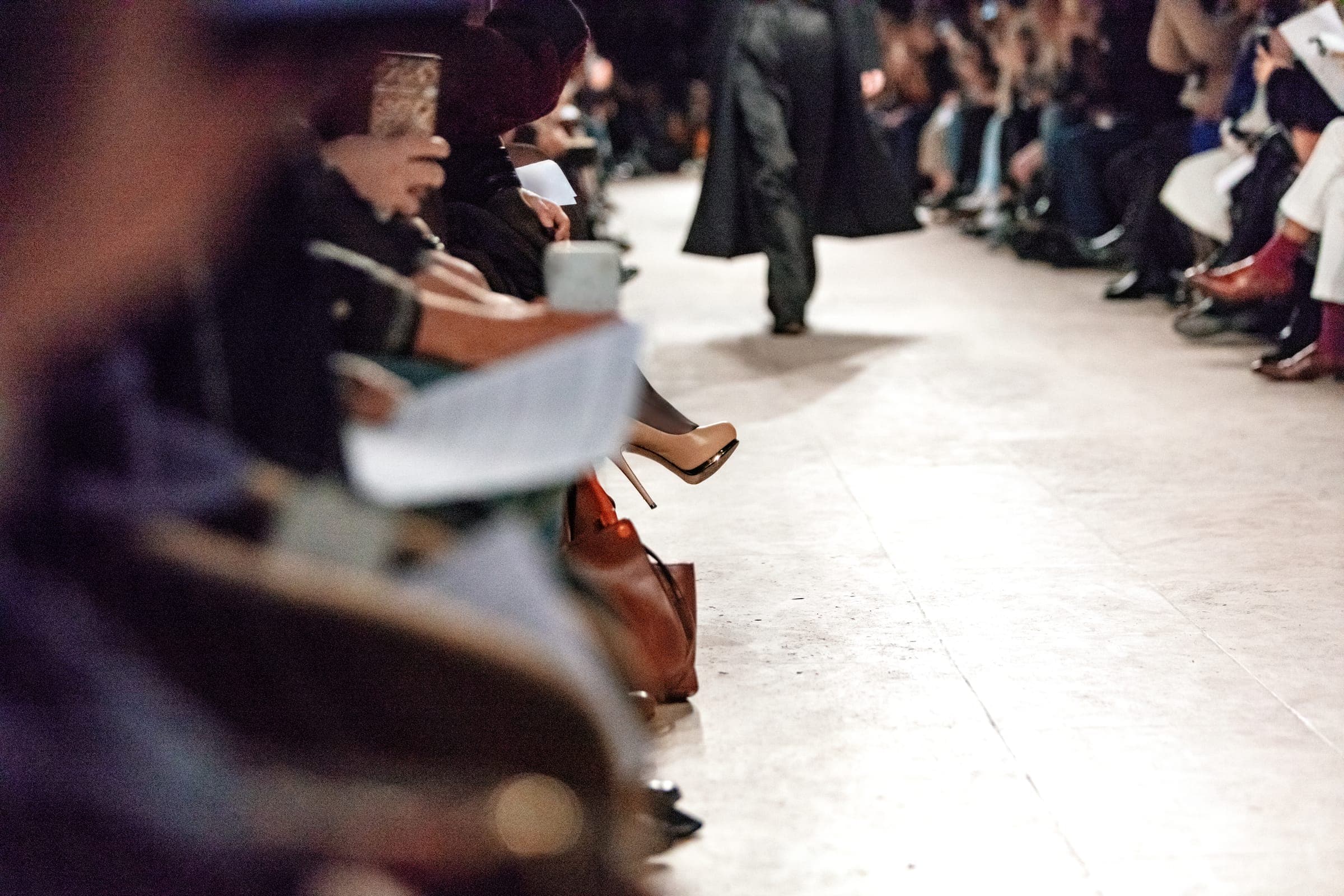
A week run to the minute
Entrust us with your schedule: a dedicated chauffeur, a second vehicle when needed, Eurostar or Farnborough transfers and coordinated security — we compose the complete logistics of your London Fashion Week, on quotation, with a single point of contact.