
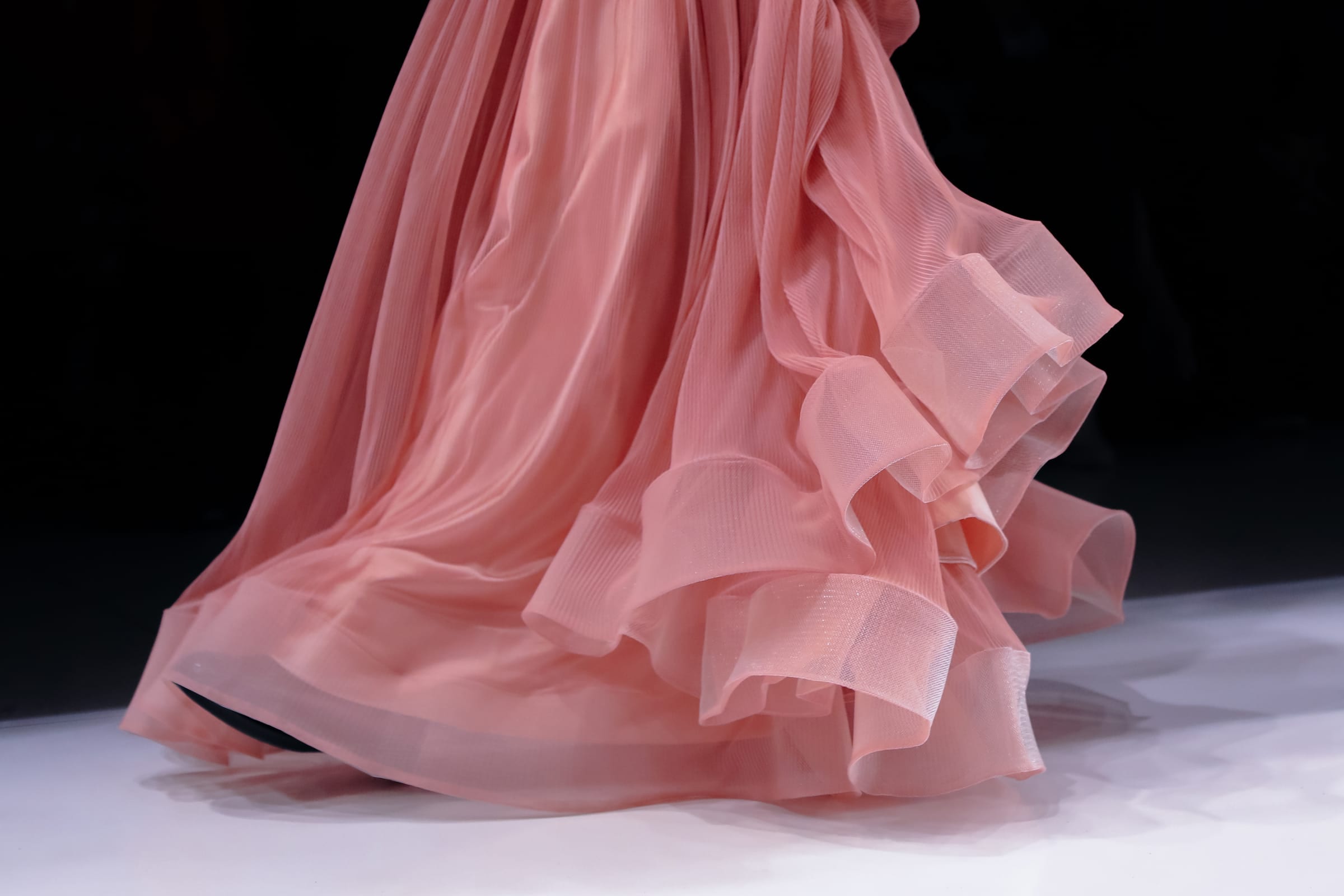
What is the New York Fashion Week dress code?
There is no written rulebook — and that is precisely what makes the exercise demanding. The unwritten codes of the week, moment by moment.
Last updated 5 October 2026 · 7 min read
There is no written dress code at New York Fashion Week: the shows are professional events, and no attire is formally required. But the unwritten codes are all the more powerful — quiet luxury, designer looks, a silhouette considered down to the last detail — and the arrivals outside the shows are photographed continuously throughout the week. In February, the cold adds a rule of its own: the coat is part of the look. You do not dress the same way for a show, a dinner or a party: each moment has its own register. TGZ personal styling — the week's wardrobe, in-suite fittings, a tailor on call, accessories — orchestrates the whole, priced by personalised quotation.
No rulebook, but codes everywhere
Let us clear up the misunderstanding first: unlike a black-tie gala, New York Fashion Week imposes no written dress code. The shows on the CFDA calendar are professional events by invitation, and no one checks your attire at the door. The February 2027 edition, devoted to the autumn-winter 2027 collections, will be no exception.
But the absence of a rule does not mean the absence of a code — quite the opposite. In a room of editors, buyers, clients and photographers, what you wear is a language everyone reads fluently. The dominant register is quiet luxury: impeccable pieces, a considered silhouette, an elegance that has no need to shout. A misstep is never punished by refused entry; it is punished by the room's gaze.
A point of practice: TGZ Conciergerie is an independent house, with no affiliation to the CFDA, to any fashion house or brand, or to the organisers of New York Fashion Week shows and events, and no official status. The addresses mentioned in this guide are cited by way of illustration only, and our styling services are priced by personalised quotation.
Dressing for a show: the subtlest code of the week
The first custom, unwritten but universal, concerns the designers' guests: when a designer invites you to a show, elegance consists in wearing their pieces — from the current season, or an archive piece chosen with intelligence. Failing that, a neutral, irreproachable look is always better than a head-to-toe look from a rival label — a lapse of taste insiders notice immediately.
The second custom is practical: a show is experienced sitting on a narrow bench, after a sometimes long wait, in venues — lofts, galleries, studios reached by freight lift or stairs — between February pavements where snow is not rare. The look is planned for those constraints: a clean silhouette that stays impeccable after hours of the day, shoes already broken in, a coat easy to leave in the car.
The third is photographic: the pavements outside the shows have become a stage in their own right, where street-style photographers capture the arrivals. Whether you seek the lens or avoid it, better to know: during the week, you are potentially photographed from the moment the car door opens. Our page devoted to runway shows and invitations covers that moment of arrival in detail — drop-off, timing, seating.
Show, dinner, party: three registers, three wardrobes
The show calls for the daytime register: quiet luxury, an architectural silhouette, strong but controlled accessories. It is the most coded moment of the week — the one where your look converses with the designer who receives you and the room that observes.
Dinner shifts into another register: at the week's tables — The Polo Bar, Ralph Lauren's table in Midtown, asks for smart dress, a jacket appreciated, no sportswear or caps — New York evening elegance outranks display. One remarkable piece is enough; the daytime look gets changed. That is why the days build in a return to the suite — our Fashion Week restaurants guide covers these tables and their customs.
The party, finally, is read on the invitation: cocktail, black tie, a designer's theme — every event sets its own code, and the only true mistake is not checking the card. Some clubs add their own rule: at Zero Bond, in NoHo, photographs are not allowed. The latest after-parties relax the register without abolishing it: even three in the morning has a look. A full day moves through three wardrobes.
TGZ styling: a wardrobe orchestrated for the week
Our personal styling service treats the week as a production. In advance, a dedicated stylist builds the wardrobe with you: selecting pieces, sourcing from boutiques and showrooms, accessories, coats, coherence across the length of the stay — each day conceived as a sequence, from the morning show to the evening party. Our Personal shopping during New York Fashion Week page presents this sourcing work in boutiques and private salons.
On the ground, everything happens in your suite: fittings on arrival, a tailor adjusting to the millimetre — alteration lead times stretch considerably during the week, and we absorb them on an express basis —, daily pressing, hair and make-up timed backwards from each show call. A dedicated stylist or personal shopper is priced by quotation, according to the scale of the wardrobe, the number of days and the pace of the programme.
The arrangement has one simple virtue: it makes every morning of the week silent. The look is ready, fitted, coherent with the day's programme — and all you have to do is wear it.
The mistakes to avoid
The first mistake is confusing Fashion Week with a costume ball: spectacular one-upmanship, staged for the photographers, is a profession — that of a handful of professional street-style silhouettes. For a private guest, it produces the opposite of the intended effect. Quiet luxury, the right fabric and a perfect cut carry far further.
The second is logistical: new shoes broken in on a three-show day, a look that does not survive hours of sitting and standing, no plan for a February evening — snow, wind between the avenues, a wait on the pavement. The third is a matter of protocol: wearing a rival label at another's show, or ignoring the invitation's code.
The last mistake is starting late: the season's strongest pieces, the alterations and the stylists in demand book out weeks before the edition. A Fashion Week wardrobe is composed in advance — that is exactly the purpose of our styling support, and of our Experience New York Fashion Week VIP page for the stay as a whole.

The essentials
There is no written dress code at New York Fashion Week, but there are unwritten codes everyone reads: quiet luxury by day, pieces from the designer who invites you where relevant, evening elegance at dinner, the invitation's code at night — and, in February, a coat that belongs to the look. The arrivals outside the shows are photographed continuously, and a full day moves through three wardrobes. The wardrobe is conceived as a sequence across the week, prepared in advance and adjusted on the ground — dedicated stylist, in-suite fittings, express alterations, daily pressing. TGZ Conciergerie, an independent house with no ties to the CFDA or the houses, orchestrates that wardrobe within the complete stay, priced by personalised quotation.
Frequently asked questions
No. New York Fashion Week shows are professional events by invitation, with no written dress code and no attire check at the door. But the unwritten codes are powerful: quiet luxury, a considered silhouette and — when a designer invites you — the elegant custom of wearing their pieces. A misstep does not cost you entry; it costs you the room's gaze.
It is the safest custom, without being an obligation: wearing a piece from the designer — current season or archive — is read as a mark of elegance and respect. Failing that, a neutral, impeccable look is perfectly appropriate. The only true fault is a conspicuous head-to-toe look from a rival label, which insiders invariably notice.
The code is read on the invitation: cocktail, black tie or a designer's theme, each event sets its own. The evening register differs from the show's — more dressed, less demonstrative — and the day builds in a return to the suite to change. Our page devoted to New York Fashion Week after-parties covers these evenings and their access, by invitation and never promised.
As for a winter city: snow is not rare, and wind runs between the avenues. The coat becomes part of the look, shoes must hold on wet pavements, and layers allow for heated venues. A car waiting close by and covered drop-off points spare the silhouette; the coat stays in the car whenever the venue allows.
A dedicated stylist builds the week's wardrobe in advance — selection, sourcing, accessories, coats — then everything is settled in your suite: fittings, express alterations, daily pressing, hair and make-up timed to the show schedule. The dedicated stylist or personal shopper is priced by quotation, according to the number of days and the programme.
No. TGZ Conciergerie is an independent house, with no affiliation to the CFDA, to any fashion house or brand, or to the organisers of New York Fashion Week shows and events, and the addresses mentioned are cited by way of illustration only. Our styling works exclusively in your service — sourcing, fittings, alterations — and requests for shows or parties are transmitted where possible, subject to availability.
Take it further
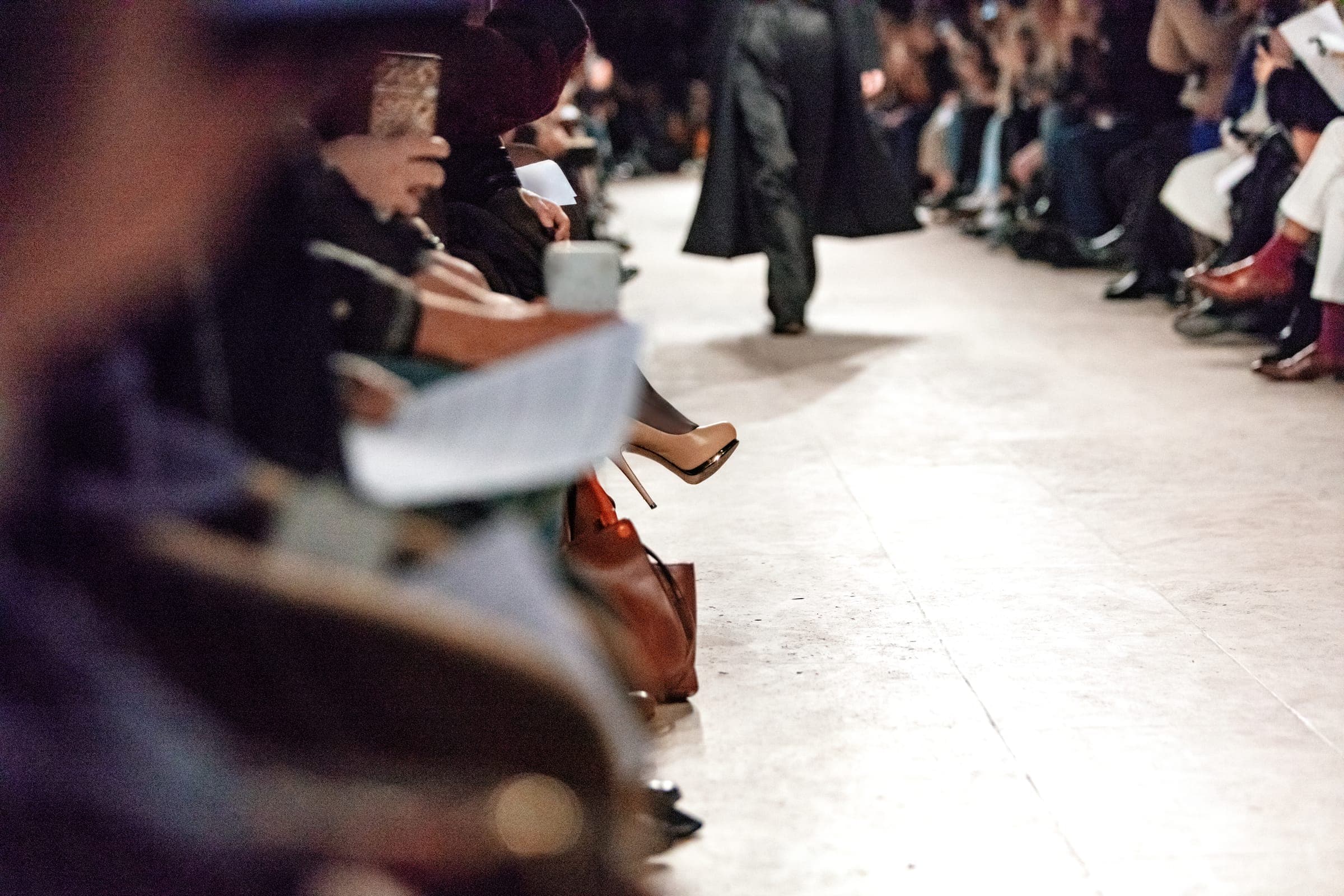
A week dressed without a false note
Dedicated stylist, a wardrobe composed in advance, fittings and alterations in your suite, express pressing: tell us your programme — shows, dinners, parties — and we settle the wardrobe, along with the rest of the stay.