
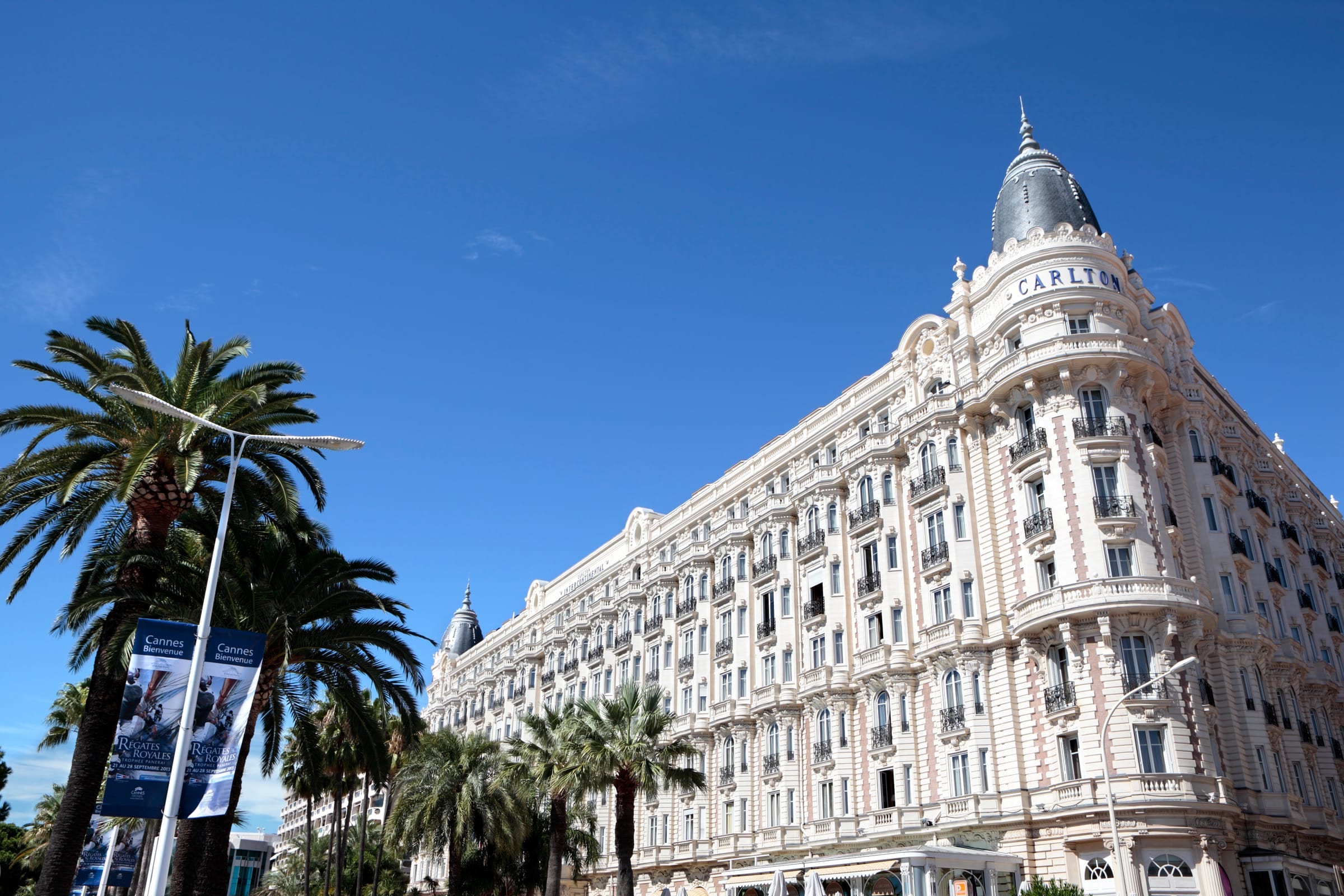
How does the Cannes Film Festival work? The complete 2027 guide
Selections, red carpet, access and logistics: the full briefing on the twelve days that make Cannes the capital of world cinema.
Last updated 5 October 2026 · 8 min read
The Cannes Film Festival is the world's most important film festival, organised by the AFFIF at the Palais des Festivals et des Congrès on the Croisette. Its 80th edition runs from Tuesday 11 to Saturday 22 May 2027, culminating in the Palme d'Or. Official accreditation is reserved for film and press professionals and cannot be bought; private visitors experience the festival through invitations and private channels — never guaranteed — and from the palace hotels, beach clubs and yachts of the bay.
What is the Cannes Film Festival?
Founded to celebrate world cinema, the Cannes Film Festival has become its most influential gathering: twelve days during which the entire industry — filmmakers, actors, producers, distributors, press — converges on one town on the French Riviera. It is organised by the AFFIF, the Association Française du Festival International du Film, and held at the Palais des Festivals et des Congrès, 1 boulevard de la Croisette.
The 80th edition takes place from Tuesday 11 to Saturday 22 May 2027. Its beating heart is the Grand Théâtre Lumière, an auditorium of some 2,300 seats where the gala screenings and the celebrated ascent of the 24 red-carpet steps take place. At the close of the Competition, the jury awards the Palme d'Or — with the Academy Award for Best Picture, the most coveted prize in cinema.
Cannes is also a phenomenon that spills far beyond the screening rooms: for twelve days, the Croisette, the palace hotels, the private beaches and the bay itself become the stage for dinners, receptions and parties that make the festival one of the densest moments in the global calendar.
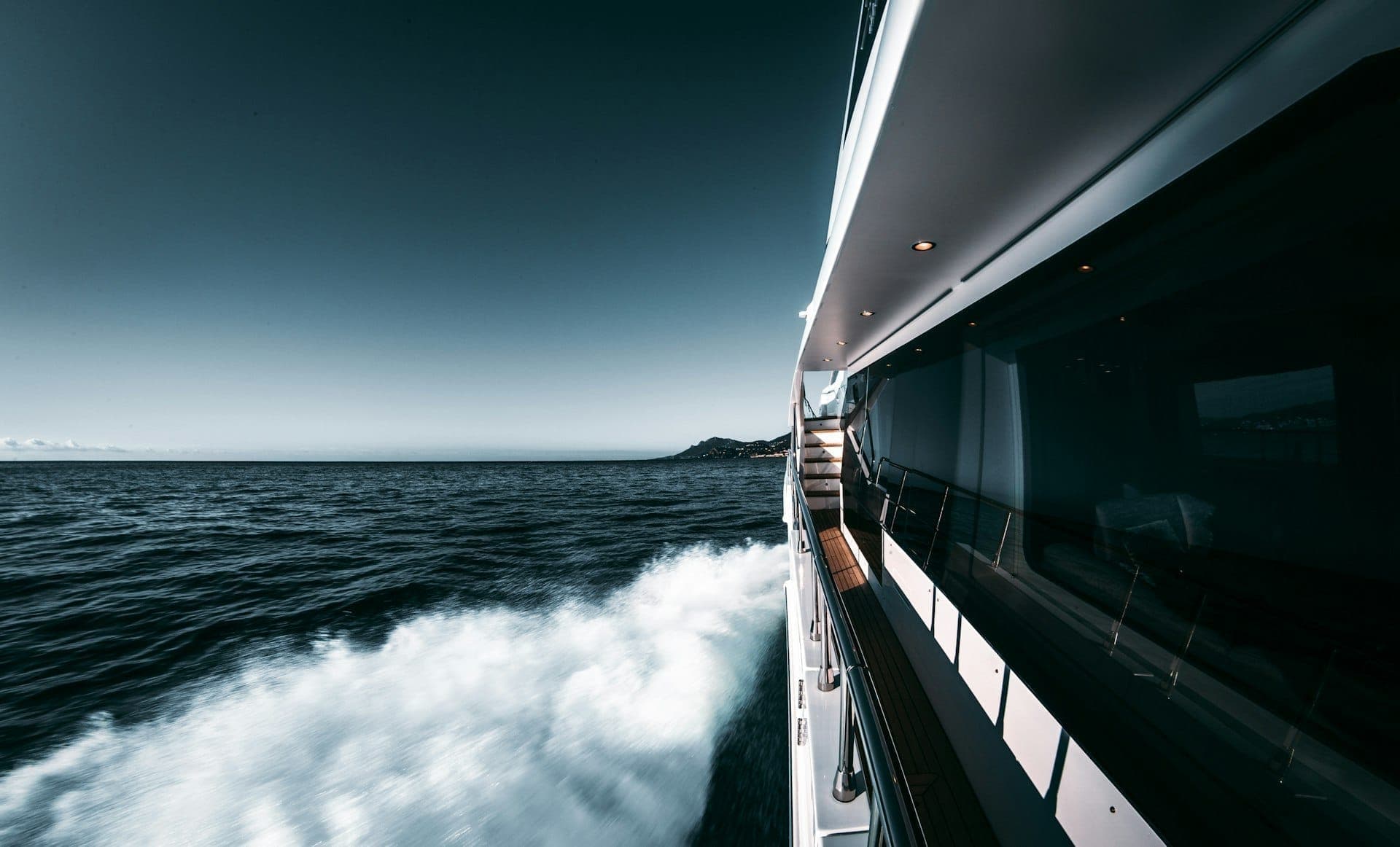
How the festival works: selections, the red carpet and the Marché du Film
The festival is built around the Official Selection, announced each spring: the Competition, whose films vie for the Palme d'Or; Un Certain Regard, devoted to singular voices; Out of Competition, Cannes Premières and the Special Screenings. Alongside it, three independent parallel sections — the Semaine de la Critique, the Quinzaine des Cinéastes and ACID — complete the programme in other venues across town.
Each evening, the gala films ascend the steps of the Grand Théâtre Lumière: casts and invited guests climb the red carpet in evening dress before the world's cameras — selfies have been banned on the steps since 2018. Behind the scenes, the Marché du Film gathers some 15,000 professionals at the Palais and the Village International: the world's leading film market, strictly reserved for accredited professionals.
This dual nature — glamorous showcase and trading floor — explains the festival's rhythm: dense days paced by screenings and business meetings, and evenings that stretch from the palace terraces to the villas in the hills.
| Selection | Purpose | Access |
|---|---|---|
| Competition | Films competing for the Palme d'Or, gala screenings at the Grand Théâtre Lumière | Invitation or accreditation |
| Un Certain Regard | Singular voices and perspectives, Salle Debussy | Accreditation |
| Out of Competition | Major premieres presented outside the awards | Invitation or accreditation |
| Cannes Premières & Special Screenings | Free formats, documentaries, events | Accreditation |
| Semaine de la Critique | Parallel section devoted to first and second features | Accreditation, some open screenings |
| Quinzaine des Cinéastes | Independent parallel section | Accreditation, some open screenings |
| ACID | Parallel programme of independent cinema | Accreditation, some open screenings |
| Marché du Film | The world's leading film market (~15,000 professionals) | Accredited professionals only |
Who can attend the Cannes Film Festival?
It should be said plainly: Cannes is not a ticketed event. Official accreditation is reserved for film and press professionals, granted on supporting evidence by the AFFIF — it cannot be purchased, and official gala invitations are nominative and non-transferable. Anyone promising a "badge" or a ticket to the red carpet should be treated with the utmost caution.
The festival does maintain a few programmes for the public — Cannes Cinéphiles and "Three Days in Cannes" for 18-to-28-year-olds — which open certain screenings to film lovers, in a register quite different from a private stay.
For private visitors, access to gala screenings and the major parties runs through legitimate but never guaranteed channels: partners, fashion houses, production companies, brands, and tables or donations for the charity galas — always subject to availability and eligibility. Our guide How to attend the Cannes Film Festival sets out each of these routes candidly.
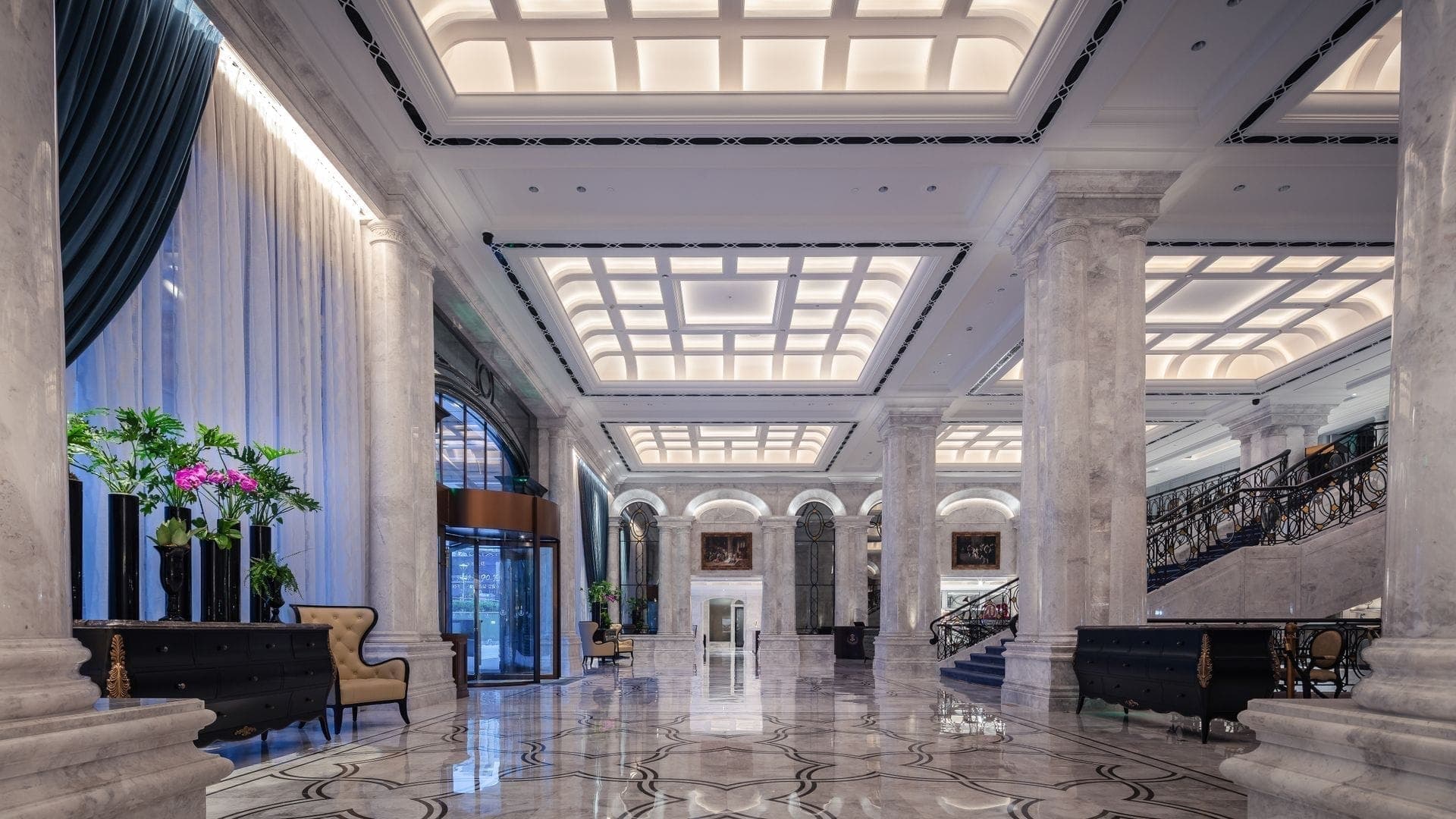
Where to stay during the festival
Three geographies shape the stay. First the Croisette, with its emblematic palace hotels — Carlton Cannes, Hôtel Martinez, Le Majestic, JW Marriott, cited by way of illustration — which place their guests at the exact centre of the event, a few minutes' walk from the Palais. During the festival, suites are secured far in advance, often with a minimum-night requirement.
Then the Cap d'Antibes, of which the Hôtel du Cap-Eden-Roc is the tutelary figure: seclusion, the sea, and just the right distance from the Cannes effervescence. Finally the villas — Super-Cannes, La Californie, Cap d'Antibes, Mougins — for those who wish to entertain, live at their own pace and command a private base for twelve days.
The choice depends on how you intend to use the festival: to be immersed in it, or to approach it each day from a retreat. Our guide Where to stay for the Cannes Film Festival compares these options in detail, neighbourhood by neighbourhood.
Getting there and getting around
Cannes is reached via Nice Côte d'Azur airport, roughly 27 kilometres away — allow 30 to 45 minutes by road outside the festival, and considerably more in May. Private aviation also uses Cannes-Mandelieu, for aircraft of limited size, while the Nice–Cannes helicopter link puts the bay some ten minutes from the airport. Cannes railway station, in the town centre, remains an efficient fallback.
On the ground, one golden rule: the Croisette is partially closed and saturated during the festival, and every journey must be planned. A dedicated chauffeur who knows the detours, timings set against the screening schedule and a systematic margin make the difference between a fluid stay and a chain of delays. Our guide Getting to the Cannes Film Festival covers routes, real journey times and solutions.
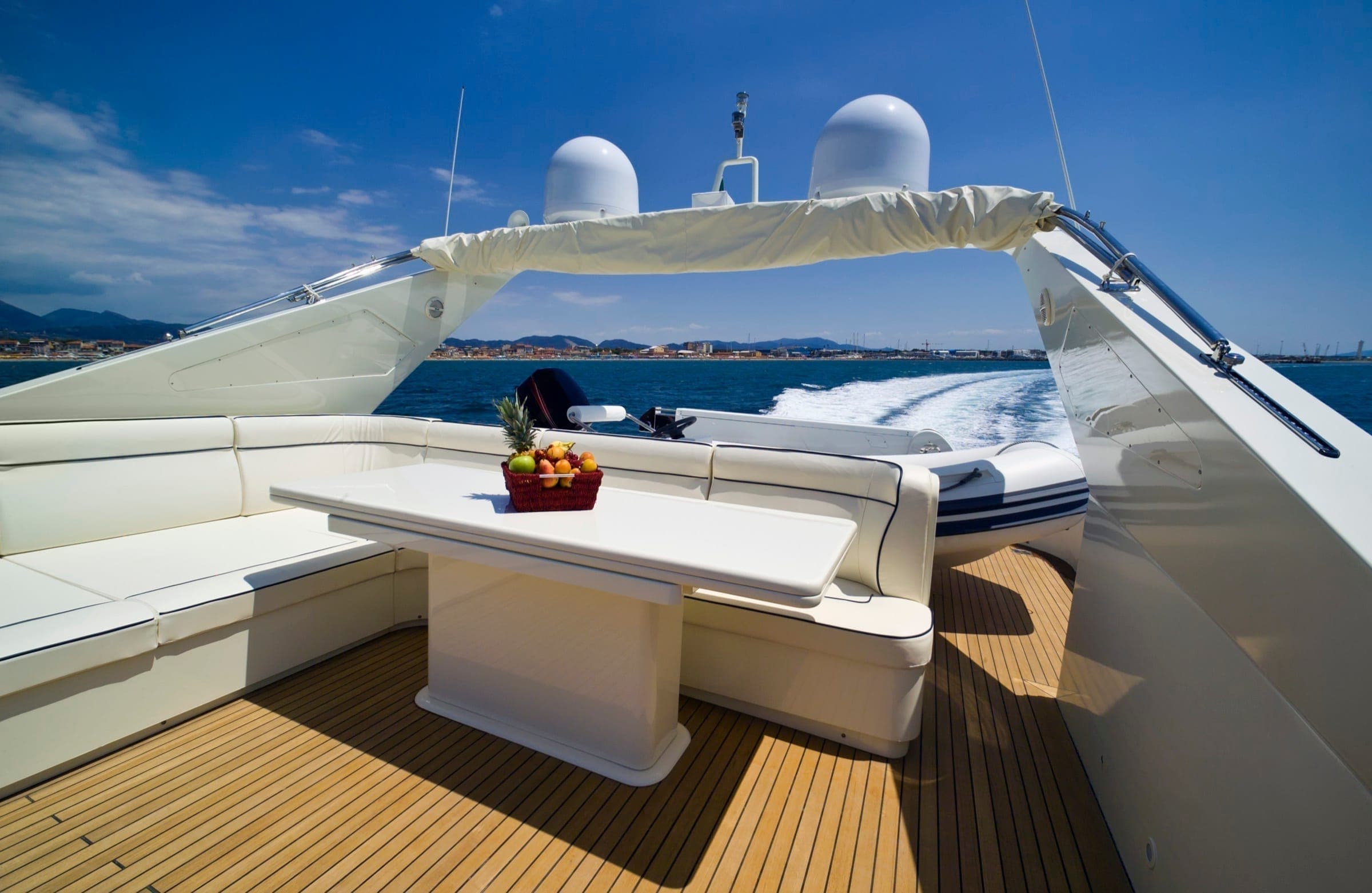
What budget should you plan for?
A Cannes stay is quoted on request, line by line, for May 2027. What makes it vary: the number of nights — Croisette palaces often require a minimum stay during the festival —, the choice between a suite, a villa on the Cap d'Antibes or in Super-Cannes, and whether a yacht is involved, where its size, the length of the charter and the berth change the scale of the stay.
On the logistics side, a dedicated chauffeur is booked by the day, the Nice–Cannes helicopter per passenger, and a private jet according to the aircraft and the airport chosen. The great charity evenings — the amfAR gala at the Hôtel du Cap-Eden-Roc being the exemplar — sell their own tables, for the benefit of their cause: we sell none. Availability and conditions are confirmed before any commitment; our guide How much does a VIP Cannes Film Festival cost sets out what drives each line.
The mistakes to avoid
The first mistake is timing: in Cannes, suites, villas, berths and serious chauffeurs are booked months — sometimes a year — before the festival. The second is underestimating the traffic: a closed Croisette, security checks and the density of May turn ten minutes into an hour for anyone who has not planned ahead.
Then come the errors of code: overlooking that the evening galas at the Grand Théâtre Lumière require evening dress — black tie, evening gown — and that daytime calls for genuine elegance; our guide to the Cannes Film Festival dress code sets out the conventions. And the most socially expensive mistake of all: promising your guests the red-carpet steps. No serious operator can guarantee them — invitations are nominative, non-transferable and always subject to official validation.
Finally, do not mistake the Marché du Film for a box office: it is strictly professional, and in no way a gateway to the galas. A successful Cannes stay is built on what can genuinely be composed — and that is a great deal — rather than on unverifiable promises.
The essentials
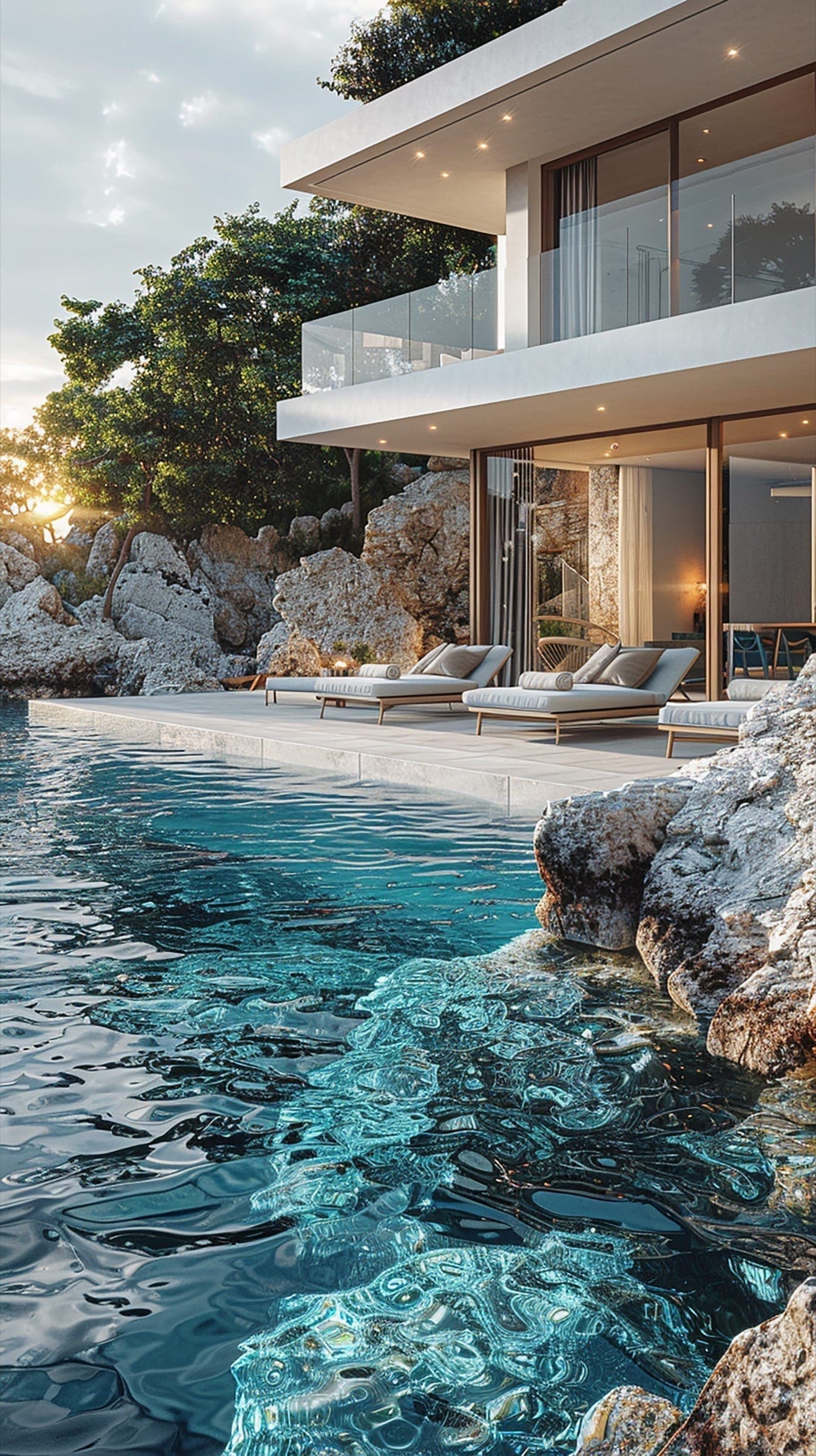
The 80th Cannes Film Festival runs from 11 to 22 May 2027 at the Palais des Festivals, organised by the AFFIF, with the Palme d'Or as its crowning moment. Accreditation is reserved for professionals and cannot be bought; private access to galas and parties runs through invitations and legitimate channels, always subject to availability and never guaranteed. Accommodation, transfers and tables are secured months in advance, and every journey is planned. TGZ Conciergerie, an independent firm unaffiliated with the Cannes Film Festival, the AFFIF, the Palais des Festivals or the Marché du Film, orchestrates the entire stay — villa or palace hotel, yacht, chauffeurs, tables, evenings — with the prudence this terrain demands.
Frequently asked questions
The 80th edition of the Cannes Film Festival runs from Tuesday 11 to Saturday 22 May 2027, at the Palais des Festivals et des Congrès on the Croisette. The parallel sections — Semaine de la Critique, Quinzaine des Cinéastes, ACID — take place over the same dates in other venues across town.
No. The festival has no public box office: accreditation is reserved for film and press professionals, and gala invitations are nominative and non-transferable. Limited cinephile programmes exist (Cannes Cinéphiles, "Three Days in Cannes" for 18-to-28-year-olds), along with private routes — partner invitations, parties, charity tables — always subject to availability and eligibility.
The Palme d'Or is the festival's supreme award, presented by the jury to the best film in Competition at the closing ceremony. Alongside the Academy Award for Best Picture, it is the most coveted distinction in world cinema — and one of the few prizes capable of changing the trajectory of a film and its makers.
No. The Marché du Film, which gathers some 15,000 professionals at the Palais des Festivals and the Village International, is the world's leading film market and remains strictly reserved for accredited professionals. It is in no sense a route into the gala screenings for private visitors.
The evening gala screenings at the Grand Théâtre Lumière require evening dress — black tie for men, an evening gown for women. By day, elegance is expected within the festival precinct and along the Croisette. Selfies have been banned on the steps since 2018. Our dedicated guide to the Cannes Film Festival dress code covers the conventions, outfit by outfit.
Six to twelve months to have genuine choice: the palace suites on the Croisette, the villas of the Cap d'Antibes, the berths of the Vieux Port and Port Canto and the best chauffeurs are taken very early. At three months, solutions still exist, but the arbitration is made by default rather than by preference.
No. TGZ Conciergerie is an independent private concierge firm with no connection to the Cannes Film Festival, the AFFIF, the Palais des Festivals or the Marché du Film. We compose stays — accommodation, yacht, transfers, tables, evenings — and pursue access through legitimate private channels, always subject to availability and never guaranteeing what depends on official validation.
Take it further
Cannes 2027 is planned now
Tell us how you wish to experience the festival — the bay, the tables, the evenings — and we compose the complete stay: villa or palace hotel, yacht, chauffeurs, access subject to availability. A single point of contact, a quote shaped around your dates and priorities.