
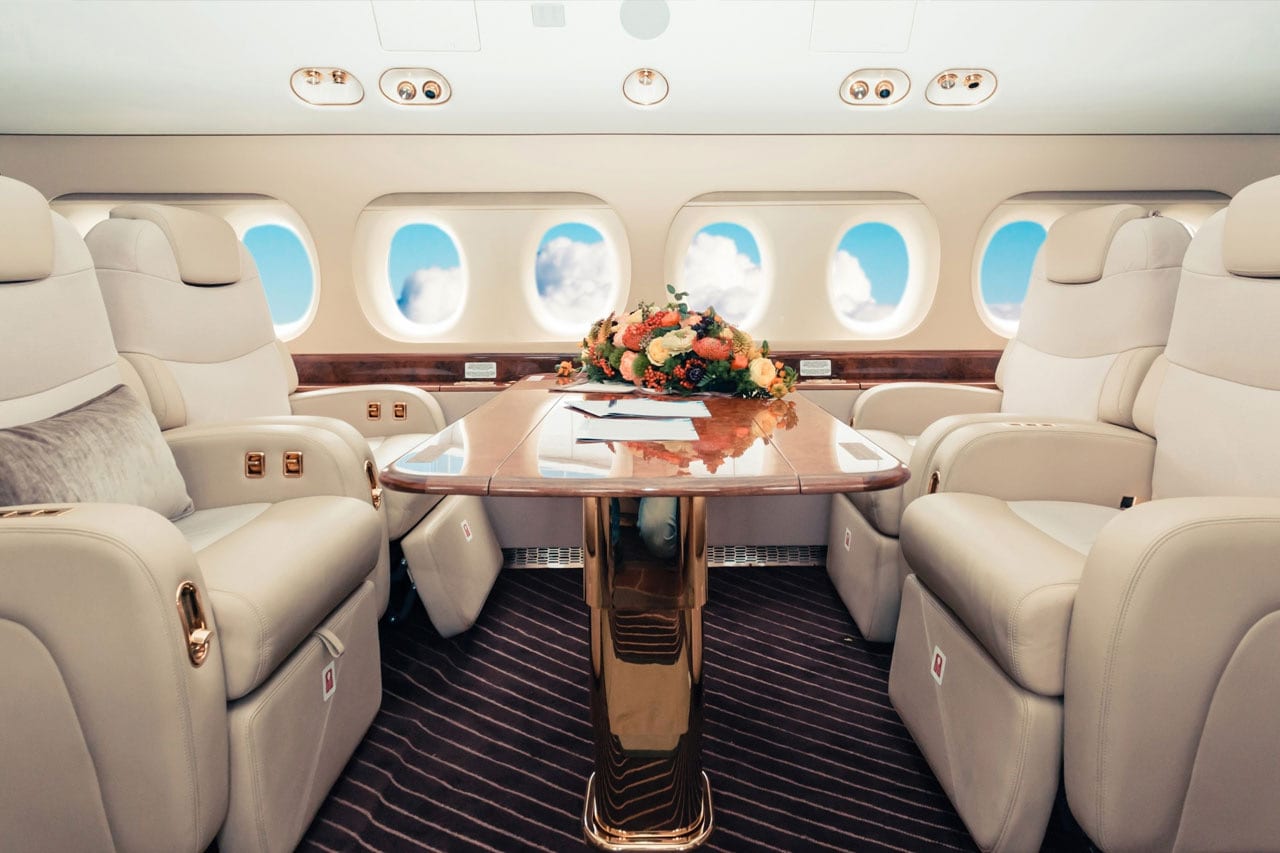
Charter or buy a private jet?
A decision about use and life, never about status.
Last updated 5 October 2026
Below the break-even — roughly 200–400 occupied hours a year — or with variable routes, charter tends to fit; above it, ownership defends itself. The right model depends on your profile, and TGZ, as your advisor, weighs both and arranges either through its global network.
Two different decisions, not one
To charter is to pay for each flight on demand: no capital tied up, no fixed cost between trips, the freedom to pick each time the aircraft and route that serve the mission. You own nothing — you buy flight time.
To own is to buy the aircraft and carry everything that comes with it: crew, hangarage, insurance, maintenance, management, depreciation. In return you gain total control — your cabin, your crew, an aircraft always ready, configured to your taste. It is not a question of prestige but of use: how many hours you fly, and on what routes.
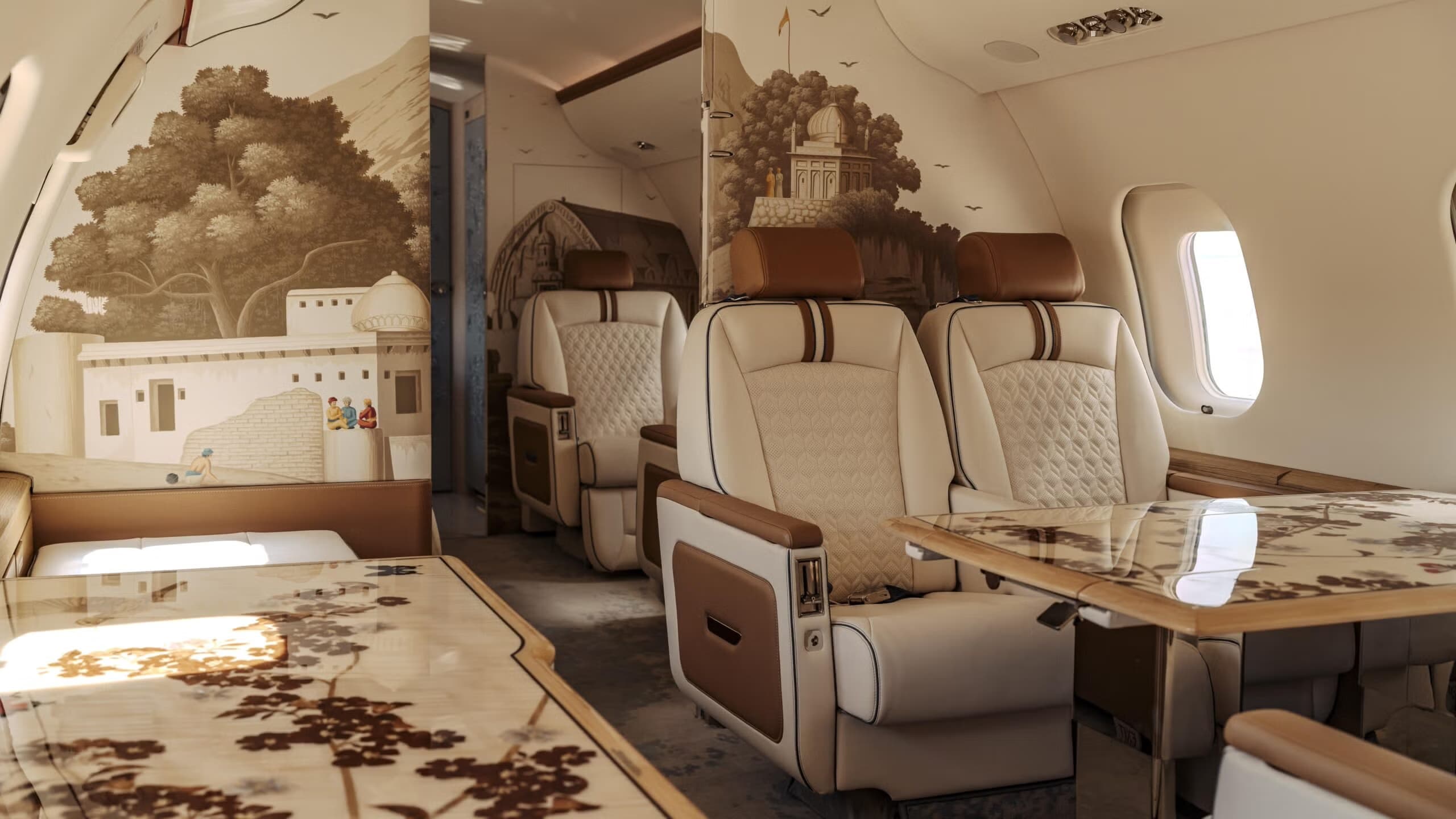
Charter versus ownership, side by side
The table below sets the two against each other on the dimensions that actually decide it. Read it one way: the more numerous and predictable your flights, the more ownership defends itself; the more variable or occasional they are, the more charter tends to fit.
| Dimension | Charter | Full ownership |
|---|---|---|
| Capital | None — you pay per flight, no asset to buy | The aircraft itself, a considerable capital outlay |
| Fixed costs | Zero between flights | Crew, hangar, insurance, management, maintenance — carried every year, flown or not |
| Flexibility | Any aircraft, any route, any day | One aircraft, one configuration; other missions still go through charter |
| Control | High on the day; you choose the category | Total: your cabin, your crew, an aircraft always ready |
| Break-even | Rational below ~200–400 occupied hours a year | Generally defensible above that threshold |
| Hassle | None — the operator carries the burden | You run, or pay a firm to run, an aviation asset |
The true cost of owning
The purchase price is only the entry ticket. Before it even takes off, an owner carries an annual fixed cost: crew salaries, hangarage, insurance, management fees, training, technical subscriptions. That base is paid every year, whether the aircraft flies or sits.
On top comes the variable cost of each hour: fuel, maintenance reserves, engine programmes. And above all depreciation, the quietest and often heaviest line: an aircraft loses value with years and cycles, and its resale depends on a market you do not control.
Total cost of ownership therefore adds the purchase, the fixed base, the hourly variable and the depreciation. It is that total — not the hourly rate alone — that must be compared with charter.
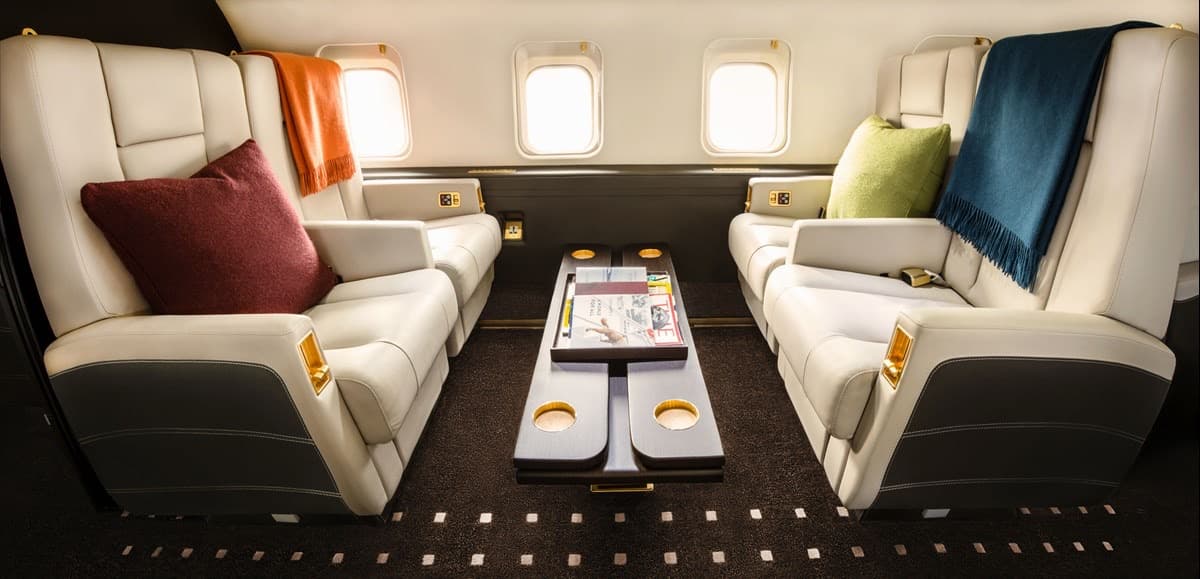
Where the line falls: the break-even
The question is not “is owning prestigious?” but “at how many hours does the fixed base dilute?”. Below the threshold, every hour flown carries a huge share of fixed cost; above it, they spread and ownership becomes defensible. The market commonly places this tipping point around 200 to 400 occupied hours a year.
Mind the definition of hours: an owner also pays for empty positioning flights, which never show up in the “occupied” count. Between on-demand charter and full ownership, the market recognises a ladder of use.
| Occupied hours per year | Formula that usually fits |
|---|---|
| Under ~25 h | On-demand charter |
| ~25 to 100 h | Jet card / block hours |
| ~100 to 200 h | Fractional ownership |
| Over ~200 to 400 h | Full ownership |
Why many owners still charter
Owning does not remove charter — it complements it. Even the most committed owners charter for supplemental lift: aircraft in maintenance, wrong category for a specific mission, two trips on the same day, a one-way where repositioning their own aircraft would cost more than chartering. Ownership covers the typical route; charter covers everything else.
The TGZ stance is simple: ownership is a decision about use and life, never a symbol. The right model depends on how you fly — charter, jet card, fractional or full ownership. As your advisor, not the seller of any one model, TGZ weighs each option with you and arranges the most fitting through its global network, set inside an orchestrated journey — aircraft, transfers, hotel, table, event, under a single coordination. We help you model the break-even on your real numbers; for the ownership structure and tax, your dedicated adviser stays sovereign.
Charter or buy — frequently asked
Charter while your flying is variable or stays below ~200–400 occupied hours a year: you avoid all tied-up capital and every fixed cost. Consider buying only above that threshold, when high, regular volume dilutes the fixed base and total control genuinely justifies it.
The market commonly places the tipping point around 200 to 400 occupied hours a year. Below it, every hour carries a crushing share of fixed cost; above it, they spread. The exact threshold depends on your routes, the aircraft category and your tax position.
Beyond the purchase price, an annual fixed base — crew, hangar, insurance, management, training — carried every year, even on the ground. On top come the hourly variable (fuel, maintenance) and depreciation.
Only if you fly enough to dilute the fixed costs. Below the break-even, the all-in hourly cost of an owned aircraft exceeds charter, because the fixed base is spread over too few hours. It is the total, not the sticker hourly rate, that decides.
Yes, regularly. They charter for supplemental lift when their aircraft is in maintenance, when the category does not suit the mission, when two trips fall on the same day, or for a one-way where repositioning their own aircraft would cost more than chartering.
Neither should decide it. A jet is a depreciating asset, not an investment, and prestige is a poor guide. The only sound reason to buy is use: a high, regular volume of hours and a genuine need for total control.
Everything for your private flight
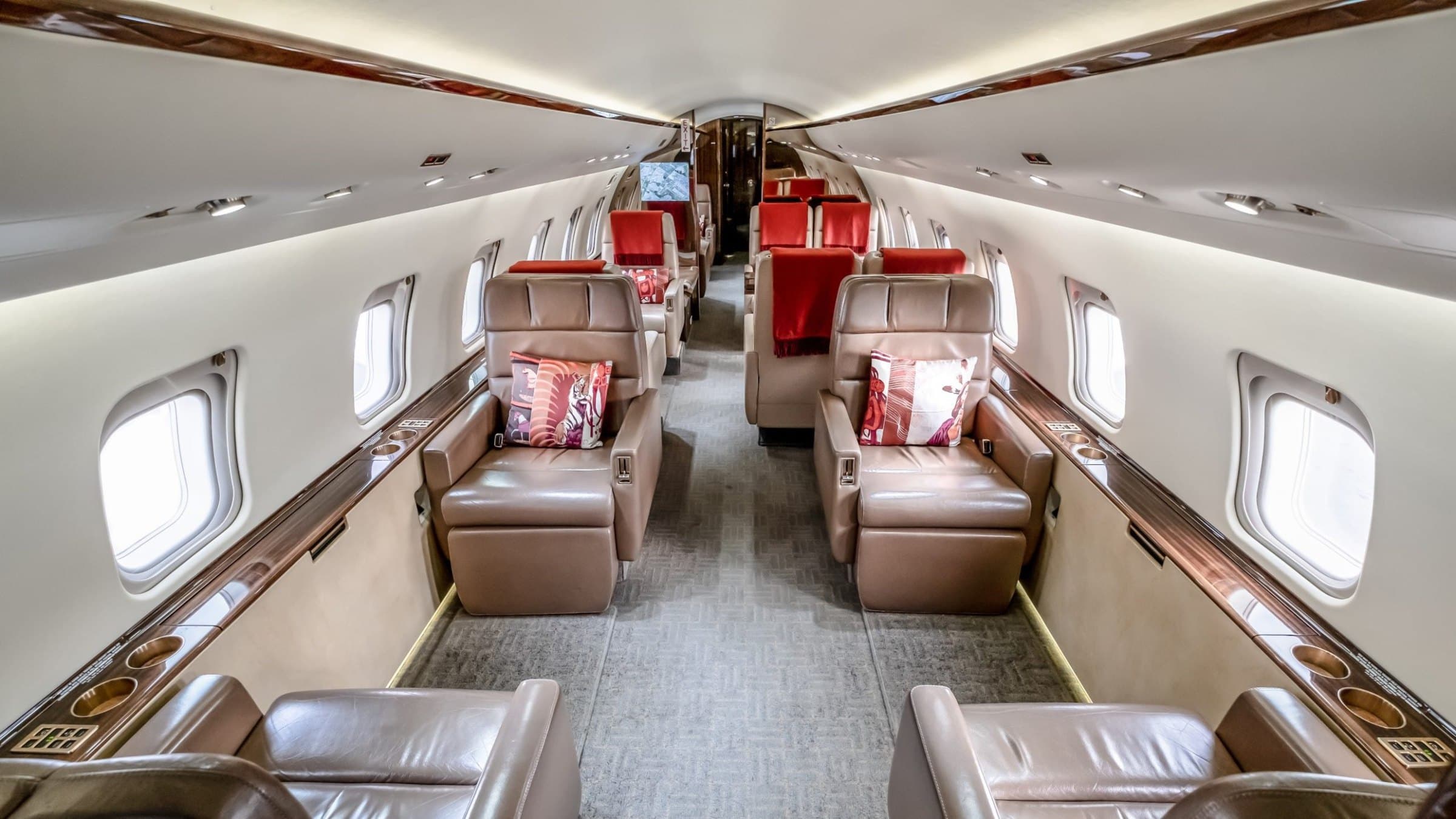
Charter, or build the case to own?
Give us your routes and your real annual volume: we set the cost of charter and the total cost of ownership side by side, without bias, so the decision is made on numbers.