
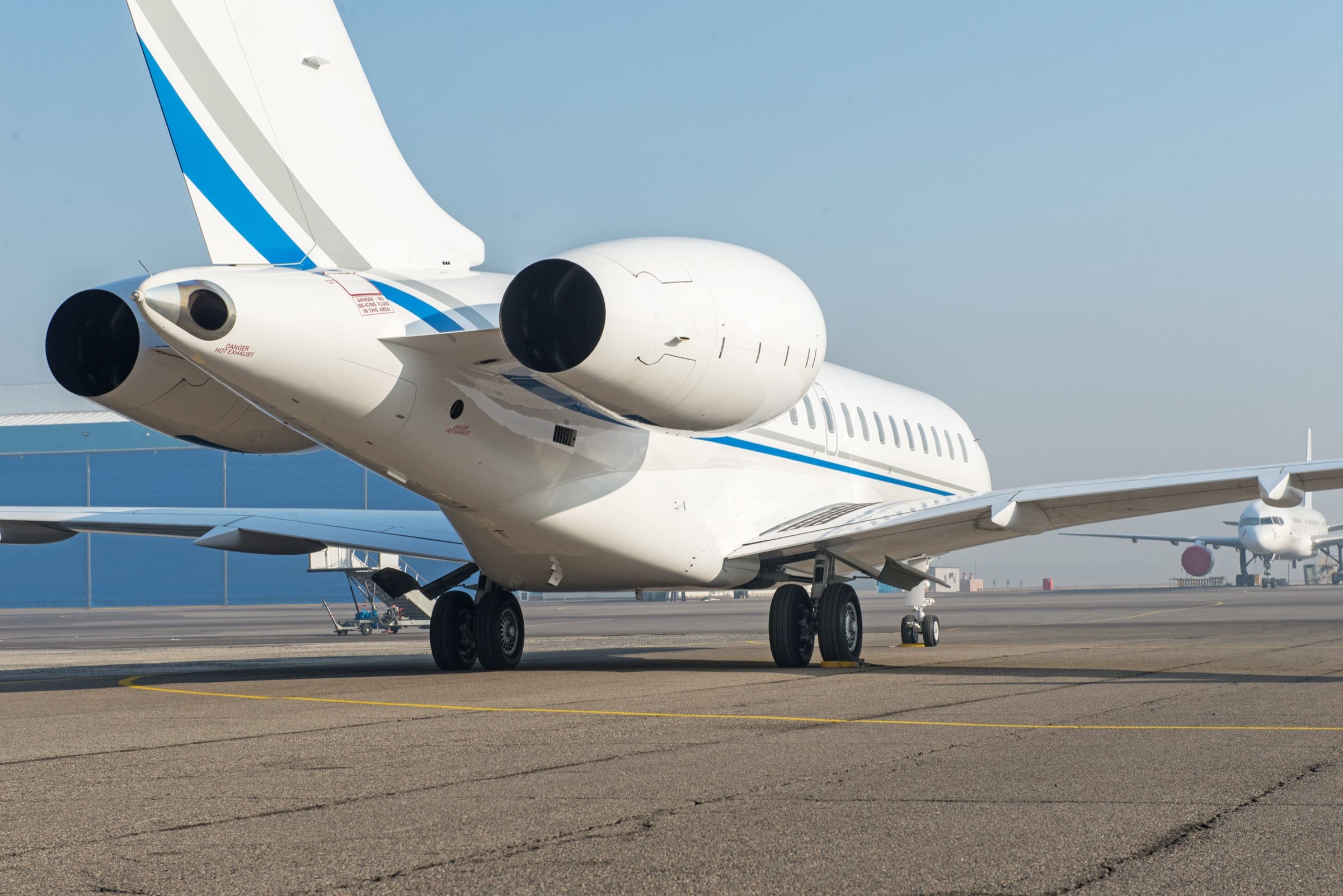
Private jet vs first class: is it worth it?
You are not comparing a seat. You are comparing two ways to travel.
Last updated 13 July 2026
Per seat, first class is usually cheaper. But that is the wrong comparison: a private jet buys time — no queues, no connections, about fifteen minutes from car to cabin — plus privacy, door-to-door flow and departure on your clock. For a family or team on the right route, the gap with several first-class fares narrows sharply.
What you actually buy is time
The honest headline first: measured seat for seat, a first-class fare is usually cheaper than a private charter. So the question is not which costs less, but what each one buys. What private aviation buys, above all, is time.
Commercial first class still runs on the airline's clock. You arrive an hour or two ahead, move through the terminal and security, and wait for a departure slot set months in advance. A private flight compresses that to roughly fifteen minutes: you are driven to a private terminal — an FBO — and walk to the aircraft. There is no queue, because there is no crowd.
The larger saving is the route. Scheduled first class flies hub to hub, often with a connection. A charter flies point to point, into thousands of smaller airfields that airlines do not serve — landing closer to where you are actually going, and skipping the connection entirely.
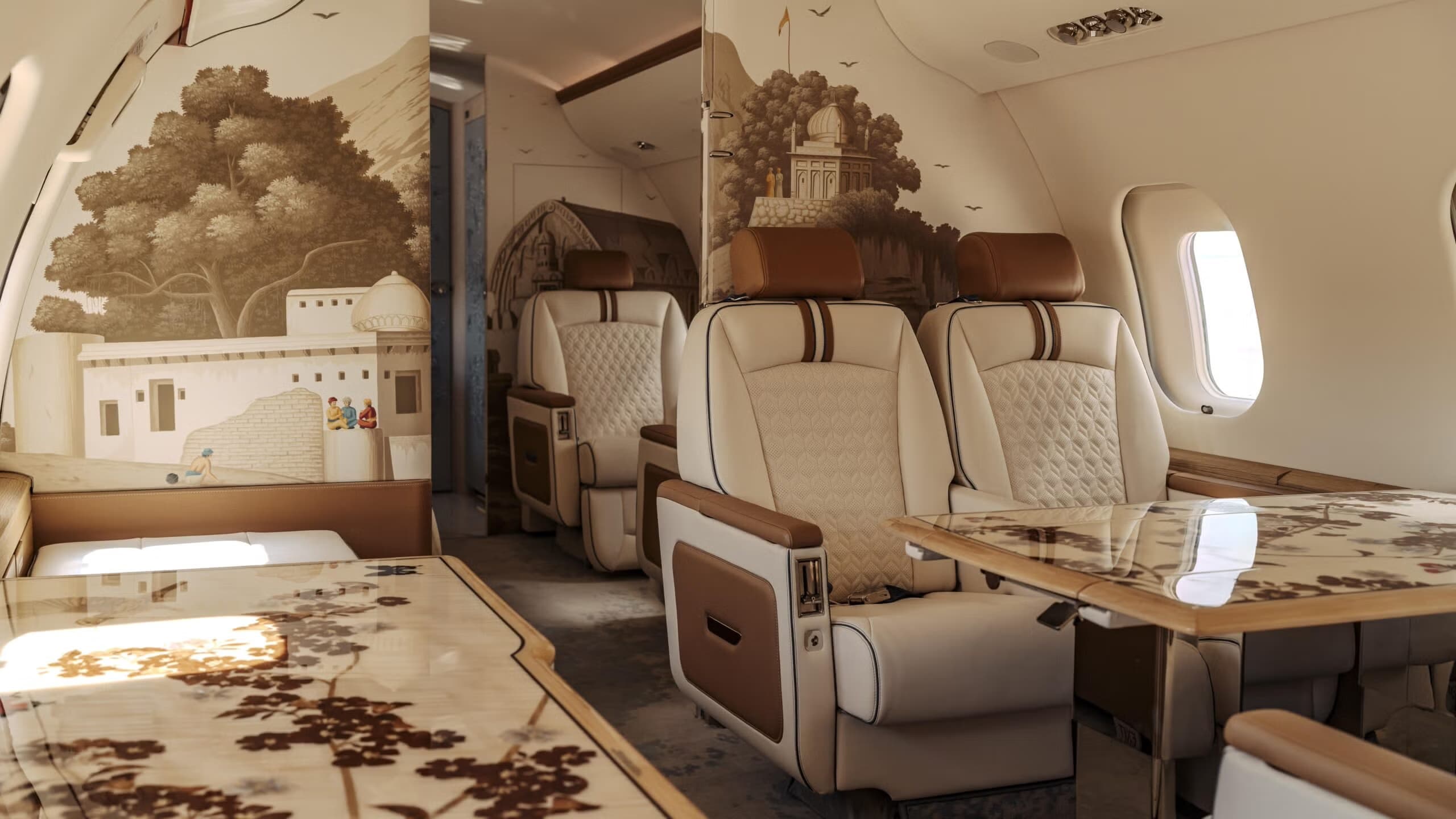
Private jet vs first class, dimension by dimension
The two are rarely comparing the same thing. Read the difference across the dimensions that decide a journey, not a single line on an invoice.
| Dimension | Private jet | First class |
|---|---|---|
| Pre-flight time | ≈ 15 min via an FBO, no queue | Arrive 1–2 h ahead, security, boarding |
| Routing | Direct, into airports airlines don't serve | Hub to hub, often a connection |
| Privacy | The whole cabin is yours | A private seat in a shared cabin |
| Schedule | Departs on your clock | The airline's timetable |
| Cost logic | Whole-aircraft price, split across the group | Priced per seat, usually lower solo |
| Door-to-door | Car to the airstair, wheels-up in minutes | Terminal, transfers, departure gates |
Privacy, and the door-to-door flow
First class is a private seat inside a shared cabin. A charter is a private cabin: the aircraft is yours, and so is everything said and seen aboard it. For a confidential conversation, a sensitive file, or simply the wish not to be recognised, that difference is the whole point.
It extends on the ground. A car meets you at the airstair; formalities are handled discreetly at the FBO; on arrival, another car waits a few steps from the door. The journey runs door to door, without the terminals, transfers and gates that frame every commercial trip — however comfortable the seat.
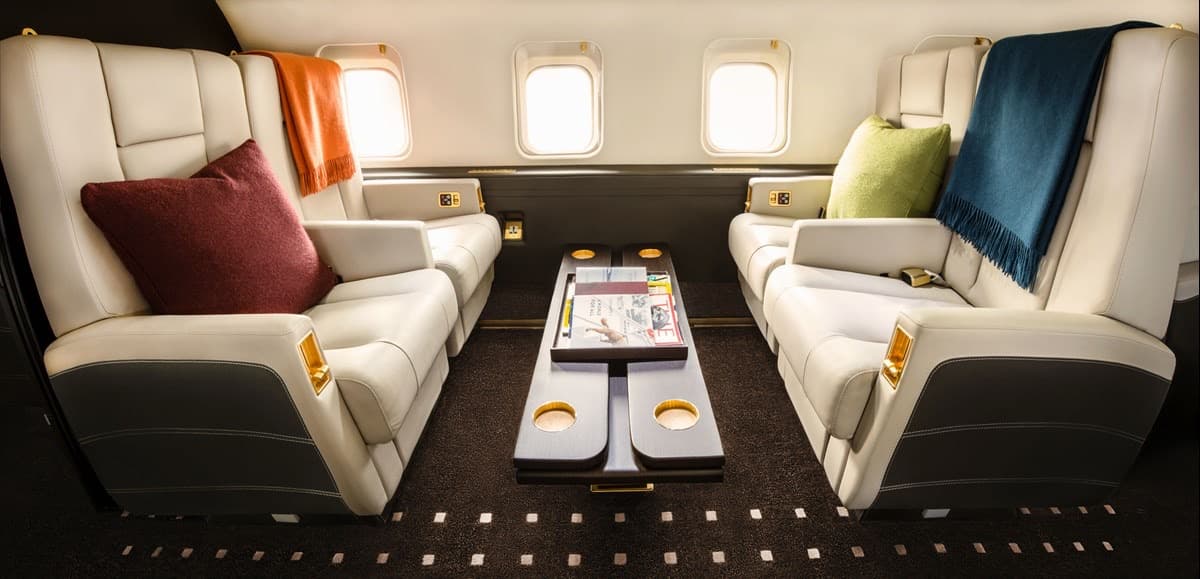
When the cost gap actually narrows
Because a charter is priced by the whole aircraft rather than by the seat, the maths turns on how many of you are travelling. One person weighed against one first-class fare, the fare wins. Six people weighed against six first-class fares on a premium long-haul route, the gap can close to a margin many find worth the time it returns.
Family, colleagues, a security detail, even pets travel together in the same cabin, on one schedule — no split bookings, no lounges to reunite in. Add the value of a working day recovered, or a same-night return that commercial timetables would not allow, and the comparison stops being about the ticket.
We will not pretend private is always the rational choice on price — it is not. But when time, privacy or a group are in play, the right question is what the journey is worth, not what a seat costs.
The cabin, and travelling on your own terms
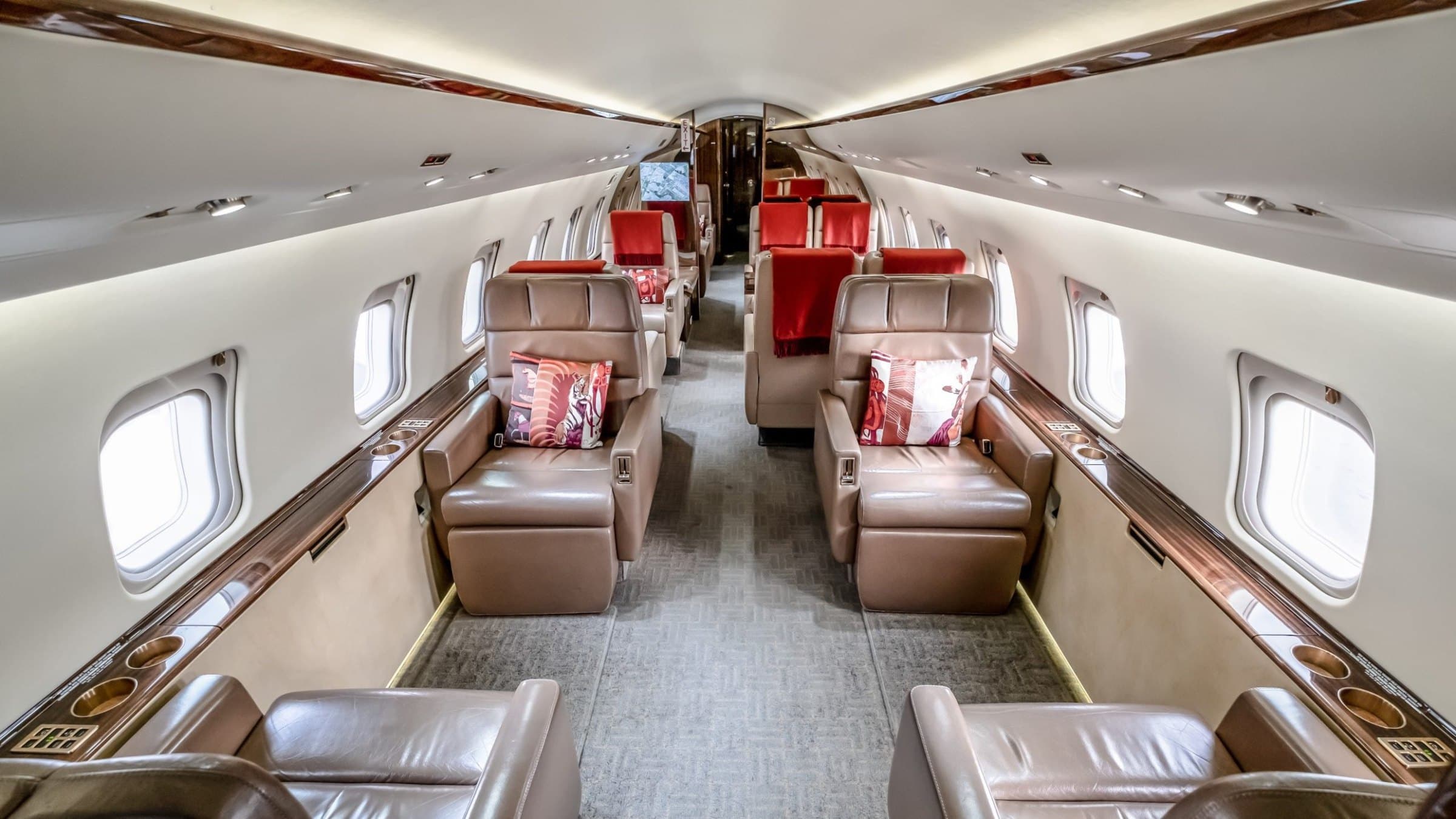
On a charter, the cabin is configured around you: the catering you asked for, the temperature and quiet you prefer, the freedom to work, sleep or meet without interruption. Nothing is standardised because nothing is shared.
It is also where TGZ differs from a broker. The flight is one movement inside a journey we hold end to end — the car, the suite, the table, the access at the other end — coordinated by a single point of contact, so the door-to-door promise holds after you land, not only in the air.
Private jet vs first class — frequently asked
Seat for seat, usually not — a first-class fare is generally lower than a per-person share of a charter. The comparison changes with numbers and route: for a family or team on a premium long-haul, several first-class fares can approach the cost of one aircraft, while the time, privacy and door-to-door flow come as part of the price rather than an extra.
Most of the airport. Pre-flight is roughly fifteen minutes at a private terminal instead of one to two hours, there is no security queue, and point-to-point routing removes connections and lands you closer to your destination. On short trips the saving is often measured in half-days.
It is a private seat in a shared cabin. A charter is a private cabin — the aircraft, the conversation and the passenger list are yours alone. For confidentiality or discretion, that is a difference in kind, not degree.
Yes. Private aircraft reach thousands of smaller airfields closed to scheduled airlines, which usually means landing far closer to your final destination — and, for many routes, removing a connection you would otherwise have to make.
They travel with you, in the same cabin, on one schedule. There are no split bookings or lounges to regroup in, and pets fly in the cabin rather than the hold — one of the quiet advantages that a per-seat comparison never captures.
When you are travelling alone or in small numbers, your dates are fixed to the airline's timetable anyway, and a major hub sits at each end of your route. In that case the per-seat economics of first class are hard to beat, and we will say so.
Everything for your private flight
Worth it for your trip? Let's do the real maths.
Tell us the route, the dates and how many are travelling. We will show you, honestly, where private earns its place against first class — and where it may not.