

Private Jet for the FIFA World Cup 2026
Sixteen cities, three countries, one team to follow — the jet keeps the trail walkable; the tournament is the journey.
Last updated 13 July 2026
The 2026 World Cup runs June to July across 16 host cities in the USA, Canada and Mexico. Following one team through the group stage and knockouts means inter-city legs on tight turnarounds, where private aviation is the only practical link. For the matches themselves, see our FIFA World Cup hospitality.
A World Cup the size of a continent
The 2026 finals are the first staged across three countries at once: 16 host cities strung from Vancouver and Seattle in the northwest to Miami and Mexico City in the south, played over five weeks from mid-June to the mid-July final in the New York/New Jersey area. No previous edition has asked spectators to cover so much ground.
That geography is the whole problem. A single team's path can jump from the East Coast to the West and back before the knockouts even begin, with two or three days between fixtures. Scheduled aviation cannot hold that shape; private aviation can. Here the aircraft is a tool for keeping pace with a team, never the point of the trip — the matches themselves belong to our FIFA World Cup hospitality, which is where to look for boxes, seats and lounges. TGZ is not affiliated with FIFA; that access is sourced independently, on request.
Following a team the bracket hasn't drawn yet
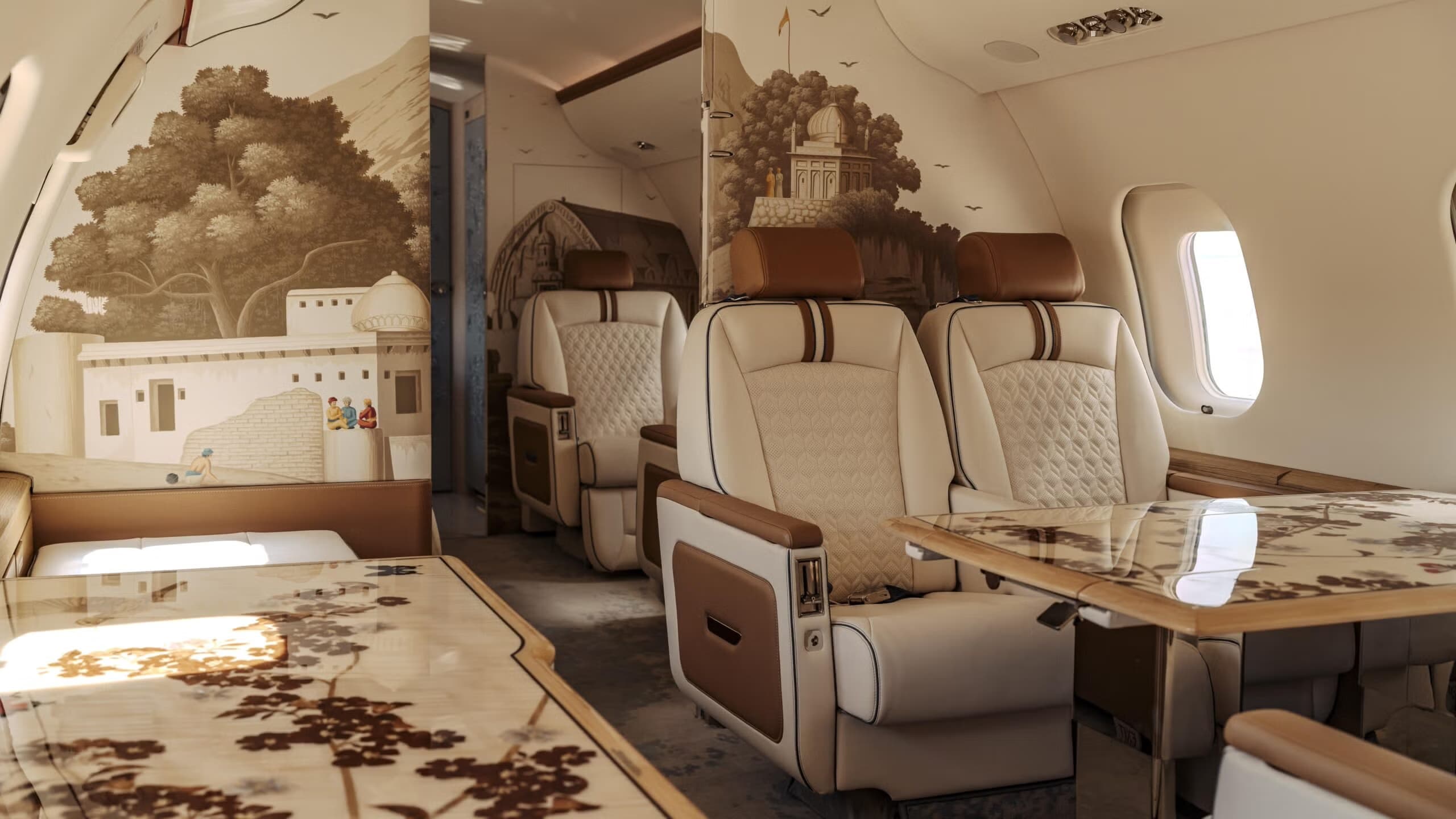
The hardest part of planning a World Cup run is that you are booking a route the tournament has not finished designing. Once the draw is out, a team's three group-stage cities are fixed — you know exactly where to be and when. The knockouts are the opposite: your Round-of-32 city depends on where you finish the group, the Round of 16 on who wins the parallel group, and so on up the bracket. Each result redraws the map a few days out.
The practical answer is to lock the group-stage legs early and hold the knockout legs as options — provisional aircraft and crew held against the two or three cities you could plausibly reach, released the moment the result is known. It is a planning discipline more than a booking, and it is where a real advisor earns their place. An opportunistic empty leg sometimes falls on exactly the corridor you need between rounds; when it does, it is worth catching, and worth reading about in our empty-legs guide.
Where private jets actually land in the host cities
Every host city has a business-aviation field within reach of the stadium, but which one matters — proximity, slot availability and customs facilities vary widely. The table below pairs the busiest host cities with their reference business-aviation airport. Availability is confirmed at quotation, and access to each field depends on the aircraft and the timing.
New York and Miami repay a closer look — both are likely stops on many teams' trails, and both are covered in depth in our New York and Miami city guides. The New York/New Jersey area alone offers Teterboro for the metro and, further out, the fields serving Westchester and Long Island — useful redundancy on final weekend, when the region fills.
| Host city | Country | Business-aviation airport |
|---|---|---|
| New York / New Jersey | USA | Teterboro (TEB) |
| Los Angeles | USA | Van Nuys (VNY) |
| Miami | USA | Opa-locka (OPF) |
| Dallas | USA | Addison (ADS) |
| Toronto | Canada | Toronto / Buttonville area (Pearson FBOs) |
| Mexico City | Mexico | Toluca (TLC) |
Three countries, three border regimes
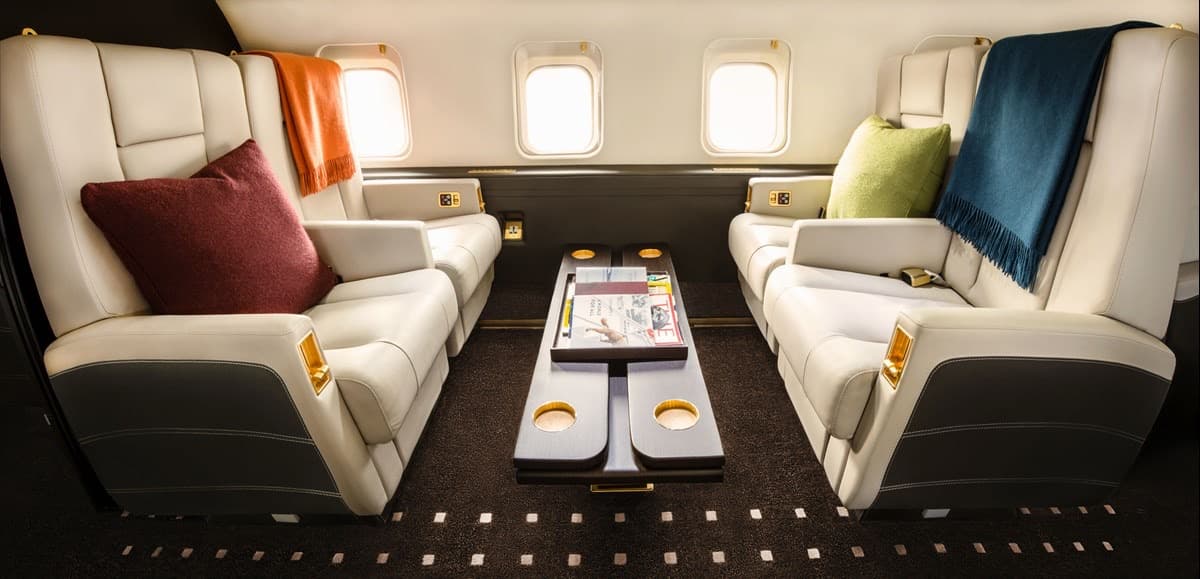
A trail that crosses between the United States, Canada and Mexico is not only a matter of distance — each border is a customs and immigration event. A leg from a US host city into Toronto or Vancouver, or south into Mexico City, Guadalajara or Monterrey, has to clear at an approved general-aviation port of entry, with passenger manifests filed ahead and the aircraft cleared inbound. Handled well, it costs minutes; handled badly, it costs a fixture.
This is where the international side of private aviation earns its keep, and where our advisers settle the customs detail before the group stage begins. Documentation for every passenger, the right port of entry for each country, and the timing of the manifests are agreed long before you fly — so a cross-border leg between two matches runs like a domestic hop, not a frontier.
Coast-to-coast distances and the aircraft that fit
Distances inside this World Cup swing from short to genuinely long. A hop up the East Coast — New York to Boston or Philadelphia — is light-jet territory; a transcontinental leg such as New York to Los Angeles, or a Miami-to-Vancouver diagonal, is four to six hours in the air and calls for a super-midsize or heavy cabin that can fly it non-stop in comfort. Matching the aircraft category to each leg, rather than flying one cabin for everything, is half of travelling well across a continent — our aircraft-types guide sets out the full range.
Which access model carries all of this depends on how much you fly. On-demand charter suits a single team followed for a handful of cities; a jet card, fractional share or full ownership each answer a different annual rhythm, and none is inherently better than the others. As an advisor rather than an operator or broker, TGZ weighs the options with you and arranges the right one through its global network of certified operators — bound to selling none of them. The flights are flown by those approved operators; the trail, from the first whistle to the final, stays TGZ's to hold.
The jet is only the first link
World Cup — frequently asked
No — and you can't. Before the draw you can only frame the trip: dates, likely regions, the number in your party. Once the draw fixes your team's three group-stage cities, those legs can be locked; the knockout legs are held as options against the cities you could reach, and confirmed within hours of each result. The plan tightens as the bracket does.
Each host city has a business-aviation field: Teterboro (TEB) for New York/New Jersey, Van Nuys (VNY) for Los Angeles, Opa-locka (OPF) for Miami, Addison (ADS) for Dallas, the Pearson-area FBOs for Toronto and Toluca (TLC) for Mexico City. The field chosen depends on the aircraft, the slot and customs needs, all confirmed at quotation.
Each international leg clears at an approved general-aviation port of entry, with passenger manifests filed in advance and the aircraft cleared inbound. Done properly it adds minutes, not hours. We settle documentation, the right port of entry and manifest timing before you fly, so a cross-border leg between two matches runs as smoothly as a domestic one.
It depends on the leg. Short East-Coast hops sit in light-jet territory; a coast-to-coast leg such as New York–Los Angeles, or a Miami–Vancouver diagonal, wants a super-midsize or heavy cabin to fly it non-stop in comfort. We match the category to each leg rather than flying one cabin for the whole tournament; our aircraft-types guide covers the full range.
Match access sits with our FIFA World Cup hospitality — boxes, lounges and premium seats sourced independently, on request and subject to availability. TGZ is not affiliated with FIFA. Private aviation is only what links the cities; for the matches themselves, that dedicated offer is where to look.
Yes — most World Cup trails are shared, whether a family, a group of friends or a party of guests. The cabin is sized to the number travelling and to the longest legs on the route, and every stop — suites, transfers, tables — is scaled to the whole party. Larger groups are often the clearest case for private aviation, since the alternative is splitting across scheduled flights.
Everything for your private flight
A team to follow across the tournament?
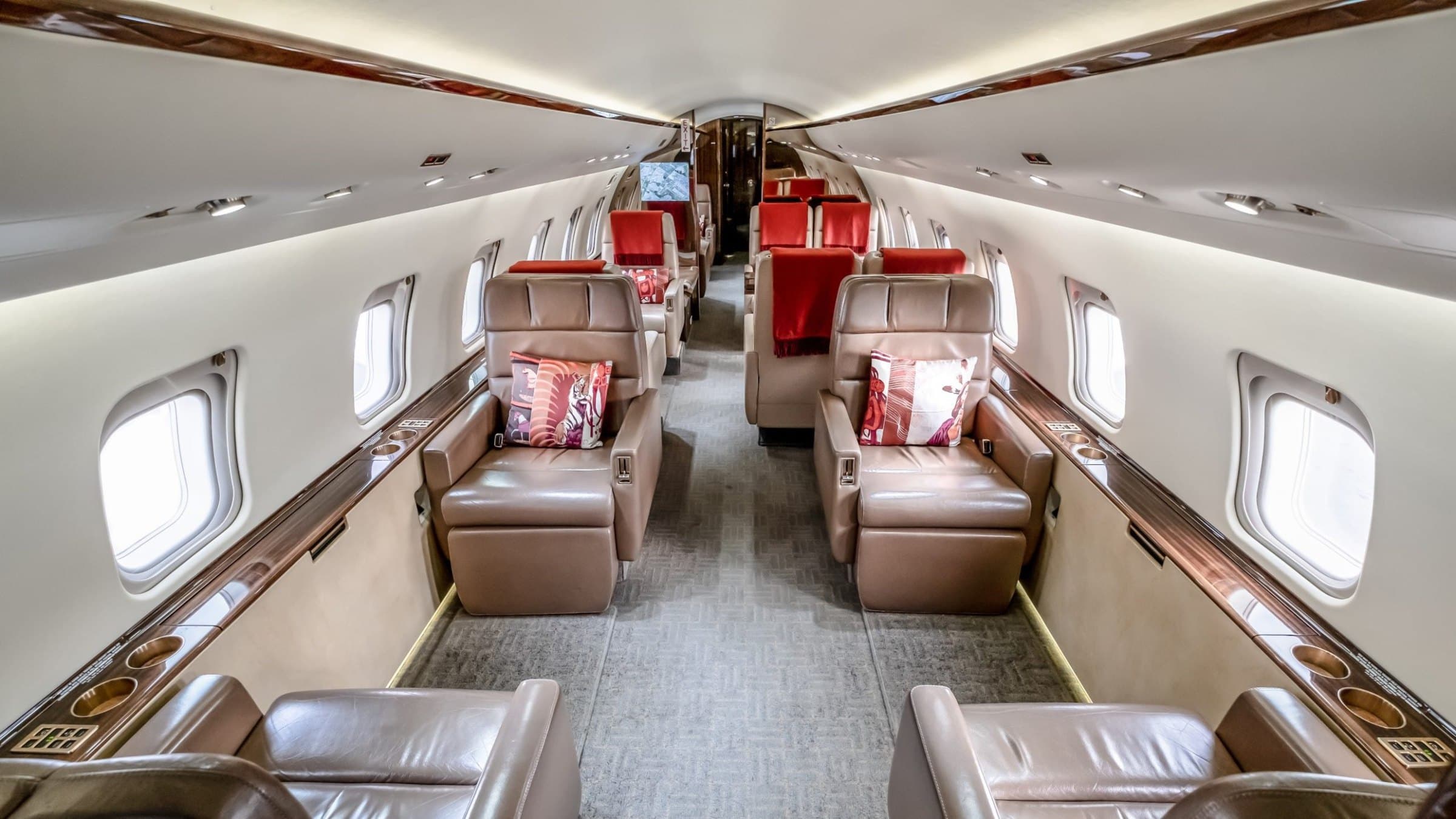
Tell us which team you are following and how deep into the bracket you want to go. We hold the group-stage legs, keep the knockout cities as live options, and line up the transfers, stays and cross-border clearances around them — with match access pointed to our FIFA World Cup hospitality. Private aviation is only one link of it.